
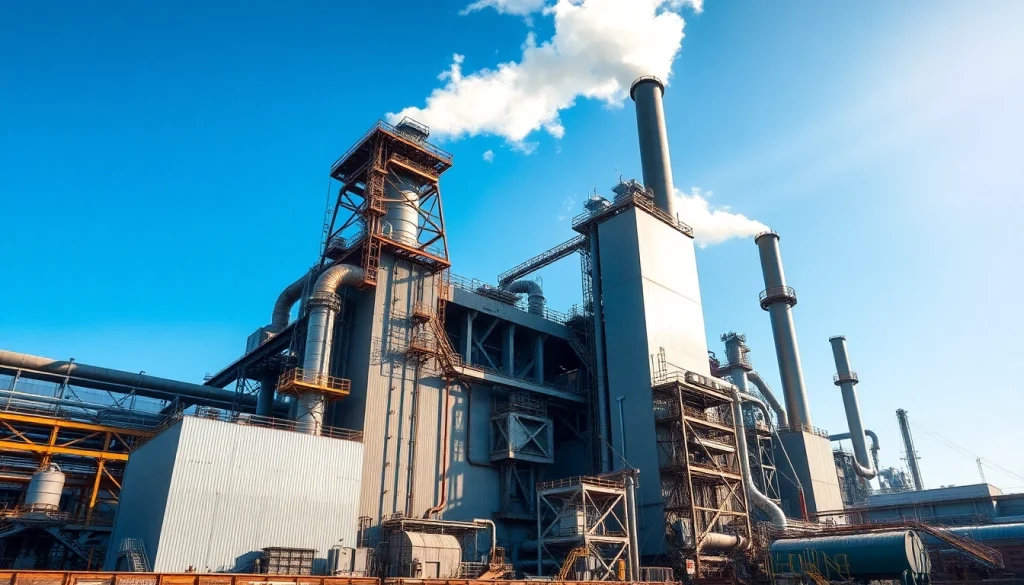
Understanding the Modern Steel Mill
The Modern steel mill is a pivotal component of the global manufacturing landscape, symbolizing the intersection of advanced technology, sustainability, and economic vitality. Unlike traditional steel mills, modern facilities are designed to meet contemporary challenges while maximizing efficiency and minimizing environmental impact. The evolution of steel production has been marked by significant advancements, transitioning from rudimentary, labor-intensive processes to highly automated and sophisticated systems. In this deep dive, we will explore the key elements that define the modern steel mill, the technological innovations that propel the industry forward, and the challenges it faces as it strives for sustainability and competitiveness in a fast-evolving market.
What is a Modern Steel Mill?
A modern steel mill is a facility that utilizes the latest technology and processes to produce steels, a fundamental material used in countless applications, from construction to automotive. In contrast to older mills that relied heavily on blast furnaces and manual labor, modern installations typically employ electric arc furnaces (EAF), which are more energy-efficient and environmentally friendly. This evolution reflects a broader shift towards prioritizing sustainability, production efficiency, and product quality.
Historical Evolution of Steel Mills
The journey of steel manufacturing began thousands of years ago, with the earliest evidence of iron working dating back to antiquity. However, it was during the Industrial Revolution that steel production emerged as a critical industry. The introduction of the Bessemer process in the 1850s revolutionized steelmaking, allowing for mass production.
In the mid-20th century, technological advancements such as the introduction of the electric arc furnace enabled smaller, more efficient operations. Today’s modern steel mills continue advancing through innovations in digital automation, artificial intelligence, and eco-friendly practices, which aim to reduce waste and carbon emissions.
Key Components of Modern Steel Mills
Modern steel mills consist of several crucial elements that work together to ensure efficient production:
- Electric Arc Furnace (EAF): A key technology in modern steelmaking, the EAF allows for recycling scrap steel and using less energy compared to traditional methods.
- Continuous Casting: This process enables the molten steel to be poured directly into molds, creating a continuous strand that hardens into slabs, which reduces waste and enhances productivity.
- Automation Systems: These include robotics and sensor technologies that monitor and control the production process, leading to improved efficiency and safety.
- Waste Management Solutions: Modern mills deploy various strategies to recycle and manage waste, ensuring a circular economy within steel production.
Technological Innovations in Steel Production
Automation and Robotics in Modern Steel Mills
Automation in modern steel mills involves the integration of advanced robotics and data-driven systems. Automated systems streamline operations by managing inventory, monitoring production lines, and ensuring safety protocols are followed. Robotics are increasingly utilized for repetitive tasks such as material handling, reducing the risk of human error and workplace injuries.
Data analytics also plays a vital role in predicting maintenance needs and optimizing production schedules. By analyzing data from machinery, mills can make informed decisions that enhance overall productivity and reduce downtime.
Advanced Materials Used in Production
The development of high-performance steel grades has been a hallmark of modern steel mills. These advanced materials, which may include high-strength low-alloy (HSLA) steels and specialized alloy compositions, cater to the growing demand for stronger, lighter, and more durable products. Innovations in metallurgy and material science are continuously propelling the industry forward, enabling the production of steels that meet specific requirements for applications like automotive, aerospace, and construction.
Sustainability Practices in Modern Steel Mills
As environmental concerns mount, modern steel mills are prioritizing sustainability through various practices. These include utilizing renewable energy sources, capturing carbon emissions, and implementing closed-cycle water systems. The transition to electric arc furnaces allows mills to incorporate a higher percentage of recycled materials, thereby reducing the demand for virgin resources. Furthermore, many steel mills are pursuing certifications for environmental management systems, emphasizing their commitment to reducing their carbon footprint.
Challenges Facing Modern Steel Mills
Environmental Regulations and Compliance
The steel industry is subject to stringent environmental regulations, requiring modern steel mills to invest in technologies that meet compliance standards while minimizing their environmental impact. This can introduce significant costs, especially as governments worldwide adopt more rigorous targets for emissions reductions. To navigate these challenges, mills must develop comprehensive strategies to align with regulatory frameworks while pursuing innovation in sustainable practices.
Market Competition and Pricing Strategies
The steel market is highly competitive, with pricing often influenced by global supply and demand dynamics. Modern steel mills must adopt flexible pricing strategies to maintain profitability while responding to competitive pressures. Innovations in production efficiency, such as lean manufacturing techniques, can help reduce costs and enhance competitiveness, enabling mills to adapt to fluctuating market conditions.
Addressing Labor Issues and Workforce Empowerment
The advancement of automation can pose challenges to workforce dynamics, leading to concerns about job displacement. To address these issues, modern steel mills should focus on upskilling their workforce, offering training programs that equip employees with the skills needed to operate advanced technologies. Empowering workers through education not only fosters career growth but also ensures that the industry remains resilient in the face of change.
The Future of Steel Manufacturing
Emerging Trends in Steel Production
The future of steel manufacturing is poised to be shaped by several emerging trends, including increased digitization and integration of artificial intelligence (AI) into production processes. The adoption of Industry 4.0 strategies, where all production aspects are interconnected via IoT, will enable real-time monitoring and adjustments, enhancing overall efficiency.
Moreover, the continued emphasis on sustainability and circular economy principles will drive innovation in material sourcing and waste recycling, pushing the boundaries of what modern steel production can achieve.
The Role of Renewable Energy in Modern Steel Mills
Renewable energy sources such as solar and wind are becoming integral to the operations of modern steel mills. By transitioning to renewables, mills can significantly reduce their carbon emissions and enhance their sustainability profiles. The ability to harness renewable energy also aligns with global efforts to combat climate change, positioning steel mills as leaders in the transition to a low-carbon economy.
Potential Impacts of Global Steel Demand
As global infrastructure development continues to expand, the demand for steel is expected to remain robust. Adapting to this demand will require modern steel mills to enhance their production capabilities and innovate continually to meet evolving industry needs. Strategic planning and investment will be key to ensuring that mills can scale operations effectively while addressing sustainability and quality standards.
FAQs about Modern Steel Mills
What is the typical process in a modern steel mill?
A typical process in a modern steel mill involves melting scrap steel or iron ore in an electric arc furnace, refining the molten metal, casting it into desired shapes, and finishing through rolling or other processes.
How are modern steel mills addressing sustainability?
Modern steel mills address sustainability through the use of advanced recycling techniques, renewable energy sources, and implementing carbon capture technologies to reduce their environmental footprint.
Are modern steel mills automated?
Yes, modern steel mills utilize extensive automation and robotics for efficiency and safety, minimizing human error and enhancing productivity through real-time monitoring and control systems.
What innovations are shaping the future of steel production?
Key innovations in steel production include advanced materials, AI integration, electric arc furnaces, and methods for minimizing waste—all contributing to more efficient and sustainable practices.
How does the modern steel industry impact the environment?
The modern steel industry impacts the environment through energy consumption and emissions; however, innovations in production techniques are aiming to reduce these impacts significantly.