
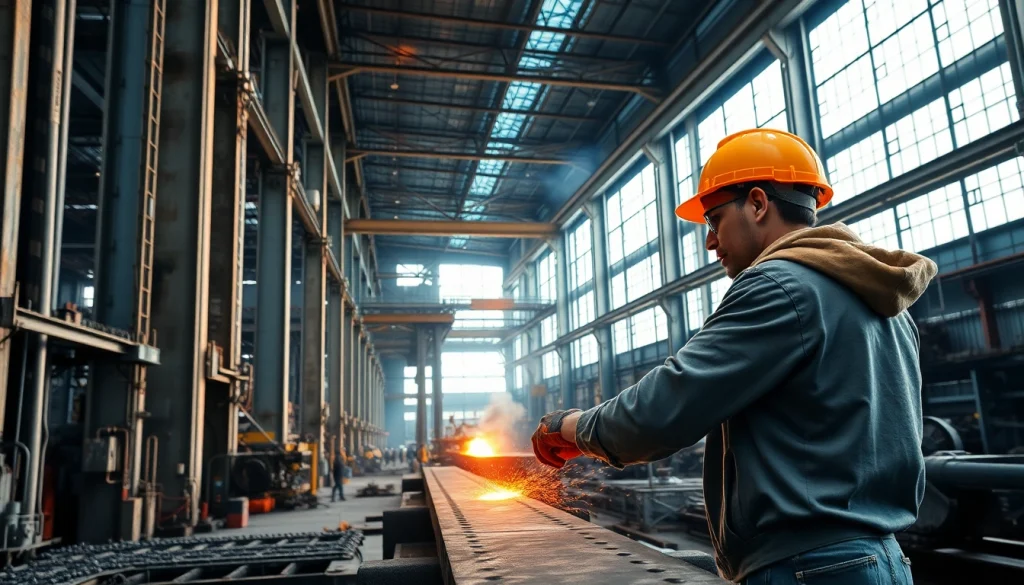
Understanding the Modern Steel Mill
What Is a Modern Steel Mill?
A modern steel mill is a sophisticated industrial facility that produces steel using advanced processes and technologies. These mills are characterized by their integration of high-tech machinery, automation, and data analytics to refine and enhance steel production. Unlike traditional steel mills, modern facilities prioritize efficiency, sustainability, and quality, utilizing methods that significantly reduce waste and improve output. The shift toward these advanced operations stems from the need to meet global demand while minimizing the environmental footprint of steel manufacturing.
Key Components of a Modern Steel Mill
Modern steel mills consist of several critical components that work in sync to optimize production processes:
- Blast Furnaces: These are large, high-temperature furnaces used for melting iron ore in the presence of coke and limestone.
- Electric Arc Furnaces: Increasingly prevalent, these use electricity to melt scrap steel, making them more eco-friendly.
- Continuous Casting Machines: These machines transform molten steel into solid shapes like slabs, billets, or blooms for further processing.
- Rolling Mills: Used to shape steel products into required specifications, rolling mills are vital in creating everything from sheets to wire.
- Quality Control Labs: Equipped for rigorous testing, these support advanced quality assurance protocols to ensure the highest product standards.
The interconnectedness of these components allows modern steel mills to operate at optimal efficiency, significantly reducing production costs while ensuring superior product quality.
Importance of Efficient Operations
Efficiency in modern steel mills plays a pivotal role in their ability to meet market demand while remaining profitable. Streamlined operations reduce waste and minimize energy consumption, leading to lower production costs. Implementation of lean manufacturing principles, such as reducing cycle times and optimizing resource use, helps companies remain competitive. Furthermore, efficient operations lead to faster delivery times, improving customer satisfaction and securing long-term client relationships in an increasingly competitive market.
Environmental Impact of Modern Steel Mills
Carbon Footprint and Reduction Strategies
The steel industry is one of the largest contributors to carbon emissions globally, hence understanding and mitigating this impact is crucial. Modern steel mills are now employing various strategies to reduce their carbon footprint:
- Carbon Capture and Storage (CCS): Technologies that capture CO2 emissions from production processes for storage or reuse.
- Switching to Renewable Energy Sources: Many mills are shifting toward wind, solar, or hydroelectric power for their energy needs.
- Green Steel Production: Using hydrogen instead of carbon-based materials for steel production is emerging as a sustainable alternative.
- Waste Heat Recovery: Implementing systems to utilize heat generated during processes can significantly reduce energy consumption.
Through these innovations, modern steel mills are aiming for net-zero emissions, aligning with global sustainability targets.
Water and Energy Usage in Steel Production
Water and energy are critical resources in the steel production process. Reducing their usage not only supports environmental goals but also enhances operational efficiency:
- Closed-loop Water Systems: Recycling water within the production process helps minimize freshwater withdrawal.
- Energy-Efficient Technologies: Adoption of practices such as variable frequency drives (VFD) to manage machinery energy requirements helps optimize usage.
- Process Integration: Implementing technologies that combine heating, cooling, and energy recovery can contribute to drastic energy reductions.
Effective management of these resources is crucial for modern steel mills, as they work toward reducing operational costs while complying with environmental regulations.
Regulatory Compliance and Sustainability
The steel industry is subject to stringent regulations aimed at minimizing environmental impact. Compliance with these regulations can be challenging but also presents opportunities for innovation:
- Understanding Regulations: Familiarity with local and international environmental laws is necessary for operational compliance.
- Sustainability Certifications: Pursuing certifications such as ISO 14001 can enhance brand reputation and consumer trust.
- Stakeholder Engagement: Active communication with stakeholders interested in sustainability efforts can foster collaboration and improvement.
By investing in compliance strategies, modern steel mills not only avoid penalties but also position themselves as responsible leaders in the industry.
Innovative Technologies in Steel Manufacturing
Automation and Robotics in Modern Steel Mills
The rise of automation and robotics in steel manufacturing has transformed operational efficiencies. By replacing manual labor with automated systems, modern steel mills can achieve:
- Increased Safety: Automation reduces human exposure to hazardous environments, minimizing workplace accidents.
- Higher Precision: Automated systems enhance the accuracy of processes, ensuring consistent product quality.
- Labor Cost Reduction: Robots can operate continuously, lowering overhead costs associated with labor.
These advancements not only revolutionize traditional workflows but also pave the way for employing more sophisticated technologies, such as artificial intelligence.
Use of AI and Data Analytics
Artificial intelligence (AI) and data analytics are revolutionizing how data is harnessed in modern steel mills. By analyzing vast amounts of data from various processes, steel producers can:
- Predict Equipment Failures: AI algorithms can identify patterns indicating potential failures before they occur, enabling preventive maintenance.
- Optimize Manufacturing Processes: Continuous feedback from sensors allows for real-time adjustments to improve efficiency and reduce waste.
- Enhance Decision-Making: Data analytics supports executives in making informed decisions around production, finance, and supply chain management.
Incorporating AI and analytics ensures that modern steel mills can operate at peak efficiency while staying competitive in a fast-paced global market.
Advancements in Steel Quality Control
Quality control is paramount in the steel industry, and modern techniques are raising standards significantly. Recent advancements include:
- Non-Destructive Testing (NDT): Advanced technologies like ultrasonic and radiographic testing assess material quality without damaging products.
- Real-Time Monitoring: Sensors and IoT (Internet of Things) devices continuously monitor variables, ensuring compliance with quality standards.
- Statistical Process Control: Employing statistical tools allows for the analysis of production processes and helps maximize product quality.
These innovations bolster the quality of output and are essential in maintaining customer trust and market competitiveness.
Economic Factors Influencing the Steel Industry
Global Steel Market Trends
The global steel market is influenced by various economic factors, including demand fluctuations, geopolitical stability, and technological advancements. Key trends include:
- Growing Demand in Emerging Markets: Nations focusing on infrastructure development significantly increase steel demand.
- Investment in Green Technologies: Shifts to sustainable practices are creating new investment opportunities within steel manufacturers.
- Access to Scrap Material: Availability and pricing of scrap metal play a crucial role in shaping the production strategies for steel mills.
Adapting to these trends is essential for modern steel mills to ensure continued growth and sustainability.
Impact of Trade Policies on Modern Steel Mills
Trade policies can greatly affect the operations of modern steel mills. Tariffs, quotas, and regulatory barriers can influence the cost of production and market access. Key impacts include:
- Cost Fluctuations: Tariffs on raw materials may lead to increased production costs, challenging competitiveness.
- Market Uncertainty: Changing political landscapes can create an unpredictable environment for steel trade.
- Opportunities for Domestic Production: Local tariffs can protect domestic mills but also necessitate innovation and efficiency to compete.
Understanding the nuances of trade policies allows modern steel mills to strategize effectively and enhance their operational resilience.
Investment and Financing Opportunities
Investment in modern steel mills presents several avenues for growth and expansion. Noteworthy opportunities include:
- Government Incentives: Programs aimed at enhancing sustainability often provide financial incentives for modernizing steel production.
- Partnerships with Technology Firms: Collaborating with tech companies on automation and AI can reduce costs while boosting innovation.
- Venture Capital in Green Steel: As industries move towards sustainability, investments in green technologies are attracting significant funding.
By leveraging these opportunities, modern steel mills can secure the necessary capital for technological advancements and operational upgrades.
Future of Modern Steel Mills
Trends Shaping Steel Manufacturing in the Next Decade
The future of steel manufacturing is set to be shaped by several key trends:
- Digital Transformation: The integration of smart technologies will enhance connectivity and efficiency across operations.
- Sustainability as a Core Value: Long-term strategies will increasingly prioritize sustainability, including carbon-neutral production.
- Customization and Flexibility: Customer demand for diverse steel products will drive mills to adopt flexible manufacturing techniques.
These trends are not merely aspirational but essential, as modern steel mills work to adapt to changing market dynamics.
Opportunities for Small and Medium Steel Producers
The landscape of steel manufacturing holds significant potential for small and medium-sized producers. These opportunities include:
- Niche Markets: Specialization in specific steel products can open avenues in untapped markets.
- Collaborative Ventures: Partnering with larger companies for knowledge transfer and resource sharing can enhance competitiveness.
- Adaptive Technologies: Implementing low-cost, flexible technologies can enable smaller producers to innovate without substantial investments.
Strategically positioning themselves can enable these players to thrive despite the dominance of larger firms in the industry.
The Role of Innovation in Competitive Advantage
Innovation remains a critical driver for competitive advantage in the steel industry. Modern steel mills must prioritize:
- Continuous Improvement: Regularly reassessing processes and technologies to identify areas for innovation can enhance efficiency.
- Investment in Research: Dedicated funding for R&D ensures that mills remain at the forefront of technological advancements.
- Engagement with Suppliers: Collaborating with suppliers on innovations can enhance material quality and production efficiency.
The relentless pursuit of innovation will not only minimize operational costs but also position modern steel mills as leaders in a transformative industry.
FAQs about Modern Steel Mills
What are the main products produced by modern steel mills?
Modern steel mills produce a variety of steel products, including sheets, bars, rods, and specialized alloys designed for various applications.
How does automation impact steel production efficiency?
Automation enhances steel production efficiency by increasing precision, reducing labor costs, and minimizing downtime through continuous operation.
What are the environmental concerns associated with steel production?
Key environmental concerns include carbon emissions, water usage, and waste generation. Modern mills address these through sustainable practices and technologies.
How can small steel producers compete with larger mills?
Small producers can compete by focusing on niche markets, adopting innovative technologies, and leveraging partnerships for resource sharing and knowledge transfer.
What role does quality control play in steel manufacturing?
Quality control ensures that steel products meet industry standards by utilizing testing and monitoring methods throughout the production process, thus minimizing defects.