
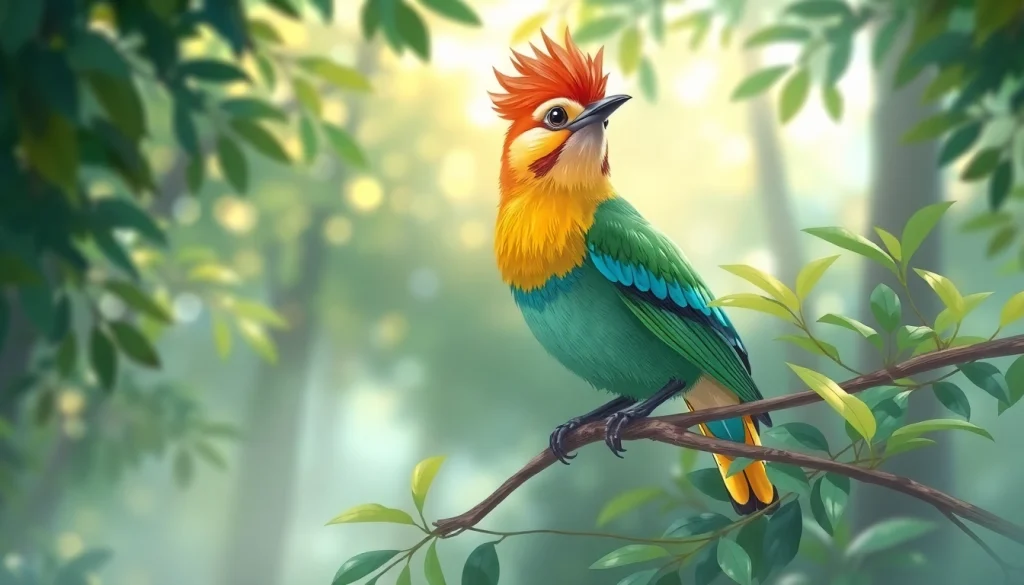
Introduction to Sora
The sora (Porzana carolina) is a small waterbird belonging to the rail family, known for its elusive nature and remarkable adaptability. Found primarily in North America, this bird’s unique characteristics and behaviors have drawn the attention of ornithologists and birdwatchers alike. In this comprehensive article, we will explore various aspects of the sora’s biology, habitat, feeding habits, reproductive behaviors, conservation status, and practical ways the public can support their preservation.
The Physical Characteristics of Sora
The sora is characterized by its short, stocky body and long legs, which are adaptations for its marshy habitat. Typically measuring between 8 to 12 inches in length, it has a slightly curved bill, which allows it to forage effectively in soft mud and shallow water. The plumage of a sora is notable; it displays a mottled brown appearance with gray, buff, and black features, making it blend seamlessly into its surroundings. The bright yellow spot in front of its eye is a distinguishing feature that enables birders to identify it from other marsh residents.
Understanding Sora’s Habitat
Soras predominantly inhabit freshwater wetlands, marshes, and swampy areas rich in vegetation. These habitats provide essential cover and food sources. During the breeding season, they prefer dense thickets of cattails, reeds, and bulrushes, which offer protection and ideal nesting sites. Additionally, sora populations are highly responsive to environmental changes, often shifting their ranges as wetlands dry up or change due to human activity.
The Behavior Patterns of Sora
Behaviorally, the sora is known for its shy and secretive nature. They are most active during dawn and dusk, which aligns with their foraging habits. Although they are capable of strong flight, they often rely on stealth, walking quietly through dense vegetation to avoid predators. Vocalizations play a pivotal role in their social interactions, with distinctive calls that serve as mating signals and territory markers.
Feeding Habits of Sora
The feeding habits of the sora reflect its adaptation to a wetland lifestyle. As omnivorous foragers, these birds have developed specific dietary preferences that ensure their survival in fluctuating habitats.
Dietary Preferences of Sora
Soras primarily consume a diet that includes seeds, aquatic plants, insects, crustaceans, and small fish. Their ability to exploit varying food sources is vital, particularly during breeding season when energy demands increase significantly. They particularly favor seeds from wetland plants, as these provide essential nutrition.
Feeding Techniques Used by Sora
While foraging, soras utilize a variety of feeding techniques. They often probe the mud with their long bills to uncover hidden food sources, employing a series of quick, jabbing motions. They are also known to forage by walking through shallow waters and occasionally grazing on plant matter at the water’s surface.
Impact of Diet on Sora’s Health
The diversity in the sora’s diet has significant implications for its health and reproductive success. A varied diet helps maintain their energy levels, which is crucial for migration and breeding. Nutritional deficiencies can lead to reduced reproductive rates and higher mortality, emphasizing the need for healthy wetland ecosystems to support their dietary needs.
Breeding and Nesting of Sora
The reproductive habits of the sora are fascinating and demonstrate remarkable adaptation to their environments.
Nesting Habits of Sora
Soras typically build their nests in dense vegetation, close to water sources. The male selects nesting sites, creating a platform from reeds and grasses that is secure from predators. They often construct their nests about a foot above ground to avoid flooding, ensuring the survival of their young. One clutch usually consists of 8 to 12 eggs, which the female incubates meticulously.
Caring for Offspring: Sora’s Reproductive Strategies
Parental care among soras is a cooperative effort. After eggs hatch, both parents are involved in protecting and guiding their chicks to food sources. The chicks are precocial, meaning they can leave the nest within hours of hatching. This quick development aids their survival in predator-rich environments, as they can immediately start foraging for themselves while remaining under the watchful eyes of their parents.
Challenges in Breeding for Sora
Breeding success for soras is often threatened by habitat destruction, climate change, and increased predation. As wetlands are drained for agriculture or development, suitable nesting sites diminish, leading to declining populations. Conservation efforts are essential to mitigate these threats and support healthy breeding practices.
Conservation Status of Sora
Understanding the conservation challenges faced by the sora is critical to ensuring its population thrives in the long term.
Threats Facing Sora Populations
Sora populations face a myriad of threats, including habitat loss due to urbanization and agricultural practices. Additionally, climate change poses significant risks as changing weather patterns can alter wetland habitats necessary for their survival. Increased use of pesticides can also impact food availability, leading to nutritional deficiencies.
Conservation Efforts for Sora
Several organizations and governmental bodies are actively working on the conservation of sora habitats. Efforts typically focus on habitat restoration, wetland preservation, and legislation aimed at protecting critical environments. Community initiatives that promote ecologically sustainable practices have also gained traction, helping to create awareness and encourage public involvement in conservation efforts.
How to Get Involved in Sora Conservation
Individuals can contribute to sora conservation by participating in local birdwatching groups, promoting wetland habitat restoration, or supporting policies aimed at conserving natural resources. Active engagement through volunteering for local conservation programs enhances habitat preservation and fosters a deeper understanding of these avian residents.
Frequently Asked Questions about Sora
What is the typical habitat of a Sora?
Soras typically inhabit freshwater wetlands, marshes, and swampy areas with dense vegetation, providing them shelter and food sources.
How do Soras attract mates?
Soras attract mates through distinctive vocalizations, showcasing their singing ability during the breeding season to establish territory and attract females.
What can I do to help Sora conservation efforts?
You can help by participating in local conservation initiatives, advocating for wetland preservation, and supporting policies that protect their habitats.
Are Soras migratory birds?
Yes, Soras are migratory birds. They typically migrate south during winter months to avoid harsh weather and find abundant food sources.
What is the life expectancy of a Sora?
The average life expectancy of a Sora is about 2 to 4 years in the wild, although some individuals may live longer under favorable conditions.