
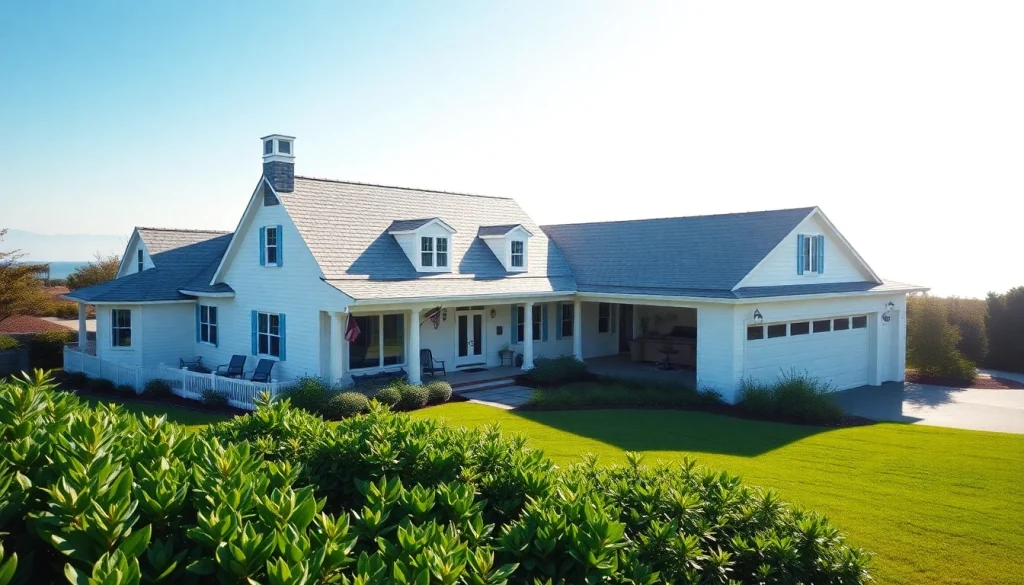
Understanding Cape Cod Home Design Principles
The cape cod home style, originating in the early 1600s, is a timeless architectural design known for its simplicity, functionality, and harmonious relationship with the surrounding landscape. Rooted in practicality, these homes reflect the climate of the Cape, with steep roofs designed to shed snow and weather elements effectively. Understanding the key principles behind Cape Cod home design allows homeowners to maintain its classic appeal while integrating modern updates.
Key Features of Cape Cod Homes
One of the hallmarks of Cape Cod homes is their symmetrical design and steep roof pitch, typically 12:12, allowing for proper drainage and durability against harsh weather. These homes are usually one or one-and-a-half stories high, featuring dormer windows for added natural light and space. Wooden siding, often painted in muted colors, complements the coastal aesthetic while wood shingles enhance their rustic charm. Moreover, large central chimneys reflect the early colonial footprint, creating a warm atmosphere.
Importance of Natural Light in Design
Natural light plays a vital role in the inviting design of Cape Cod homes. The thoughtful placement of windows and doors encourages sunlight to permeate living spaces, fostering an uplifting and vibrant environment. Expansive sliding glass doors or large windows in the living room can seamlessly connect indoor and outdoor spaces, enhancing the overall aesthetic. Strategic design decisions optimize light, promoting energy efficiency and contributing to the home’s appeal.
Integrating Modern Elements with Tradition
While maintaining traditional designs, modern Cape Cod homes can benefit from innovative features. Open floor plans, for example, can enhance spaciousness and encourage social interaction, departing from more segmented traditional layouts. Furthermore, sustainable materials like reclaimed wood or energy-efficient windows can replace old elements, preserving the authenticity yet elevating overall performance and environmental friendliness. Balancing modern functionality with traditional aesthetics preserves the charm while adding value to the property.
Expanding Your Cape Cod Home: Planning and Design
When considering an expansion, whether for a growing family or increased functionality, it’s essential to align the project with the home’s original character. A well-thought-out design plan not only enhances space but also addresses practical needs.
Assessing Needs for Home Expansion
Before beginning any expansion project, homeowners should assess their needs and lifestyle. Considerations such as family size, likely future changes, and specific space requirements should guide decisions. Analyzing how often certain areas are used can inform significant choices – for instance, whether to add a playroom for children or an office space for remote work. Engaging a reputable architect at this stage can provide professional insights, making sure your vision aligns with both function and aesthetics.
Choosing the Right Design Aesthetics
Design aesthetics in home expansions play a crucial role in ensuring harmony with existing architecture. It’s ideal to use similar materials, color palettes, and architectural features found in the original structure. This integration fosters cohesiveness and prevents the addition from appearing disconnected. For Cape Cod homes, it’s advantageous to maintain wood and natural stone elements, keeping in line with the coastal theme.
Collaborating with Professionals
Hiring professionals like architects, designers, and contractors experienced in Cape Cod architecture is a vital step. Their expertise will ensure that the expansion designs adhere to local zoning laws and building codes while optimizing space and aesthetics. Establishing communication among all team members will make it easier to share visions, potential challenges, and the progress of construction. Such collaboration is fundamental in achieving a successful and welcoming expansion.
Creating an Attached Garage: Benefits and Considerations
Adding an attached garage to your Cape Cod home can greatly enhance functionality while preserving the aesthetic appeal. However, thoughtful planning is required to achieve successful outcomes.
Space Optimization Techniques
An attached garage can significantly enhance functionality while freeing up space within the home. Consider using vertical storage solutions to maximize space and employing clever organizational techniques. Built-in shelving, cabinets, and overhead storage can transform the garage into a versatile area for hobbies or additional storage, all while maintaining a clean and organized appearance.
Matching Garage Design with Your Home
To create an attractive attached garage, it’s essential to match its design with that of the existing Cape Cod home. This includes using similar siding materials, roofing styles, and paint colors. Additionally, aligning windows and door styles with those of the house will help maintain uniformity, ensuring that the garage appears as a natural extension of the home.
Environmental Considerations for Construction
When adding an attached garage, it’s imperative to consider environmental factors. Opt for environmentally friendly materials when possible, and ensure proper drainage to protect against flooding and runoff. Solar panels can also be integrated into the garage roof, promoting sustainability while reducing energy costs. Understanding local wildlife and plant life can also guide landscaping choices, ensuring that your construction respects and maintains the surrounding ecosystem.
Budgeting for Your Cape Cod Home Project
Budgeting thoroughly for your expansion and renovation projects is essential to avoid unexpected costs and financial strain. Clear planning leads to successful implementation, ensuring your vision becomes a reality without compromising quality.
Estimating Costs of Renovation
Estimating renovation costs involves several factors, including the square footage of the expansion, material quality, and labor rates in your area. It’s advisable to obtain detailed quotes from multiple contractors to compare costs and gauge the market. Always include a buffer (typically 10-20%) for unforeseen expenses that often arise during home renovations, helping to manage your budget effectively.
Finding Financing Options
Finding financing for home projects can be a daunting task. Homeowners can explore multiple options, including home equity loans, personal loans, or renovation loans that can provide necessary funds at competitive interest rates. Consulting with financial advisors can also yield insights into the most suitable options based on your financial situation and the scale of your project, allowing you to move forward confidently with your plans.
Long-Term Value of Home Improvements
Investing in your Cape Cod home through renovations or expansions can significantly increase property value. Well-planned additions complementing the home’s design can yield excellent returns on investment should you choose to sell in the future. Additionally, modern improvements, such as energy-efficient appliances and enhanced insulation, can lower utility bills and create long-term savings, empowering homeowners to recoup costs efficiently while enjoying their upgraded living spaces.
Maintenance Tips for Your Cape Cod Home Post-Renovation
Once renovations are complete, maintaining your Cape Cod home is essential to preserve its value and aesthetic appeal. Implementing regular maintenance routines ensures longevity and functionality.
Seasonal Upkeep Guidelines
Seasonal upkeep is pivotal to protecting your home from the elements. In winter, it’s essential to ensure proper insulation and to check for drafts around windows and doors. Summer maintenance might include inspecting the roof and clearing out gutters. Establishing a seasonal maintenance checklist can help homeowners remain proactive, ensuring they attend to both the home’s beauty and integrity over time.
Regular Inspections and Preventive Measures
Regular inspections are key to identifying issues before they escalate. Check electrical systems, plumbing, and insulation periodically, resolving any problems quickly to avoid costly repairs. Creating a schedule for professional inspections can help maintain safety and compliance with local regulations, preserving your home’s overall condition.
Enhancing Curb Appeal Over Time
Curb appeal is an ongoing endeavor that enhances the first impression of your Cape Cod home. Regular landscaping, maintaining walkways, and power washing the exterior can keep aesthetics high. Adding seasonal flowers or decor can reflect your personal style and ensure your home always appears inviting and well-cared-for, contributing positively to neighborhood charm.
Frequently Asked Questions
1. What are the most notable features of a Cape Cod home?
The most notable features of a Cape Cod home include symmetrical design, steep roofs for snow drainage, dormer windows, and traditional wooden siding painted in muted tones.
2. How can I ensure my expansion matches my Cape Cod home?
To ensure your expansion matches your Cape Cod home, use similar materials, roof styles, and paint colors. Keeping the architectural style consistent is vital for visual harmony.
3. What are common costs associated with home renovations?
Common costs associated with home renovations include materials, labor, permits, and potential equipment rentals. Always account for unexpected expenses in your budgeting.
4. How often should I perform maintenance on my Cape Cod home?
Regular maintenance should be performed seasonally, focusing on upkeep tasks such as checking the roof, gutters, and windows, as well as maintaining plumbing and electrical systems.
5. What financing options are available for home improvements?
Common financing options for home improvements include home equity loans, personal loans, and renovation loans. Evaluating your financial situation helps determine the best choice.