Understanding Structural Steel Installation
What is Structural Steel Installation?
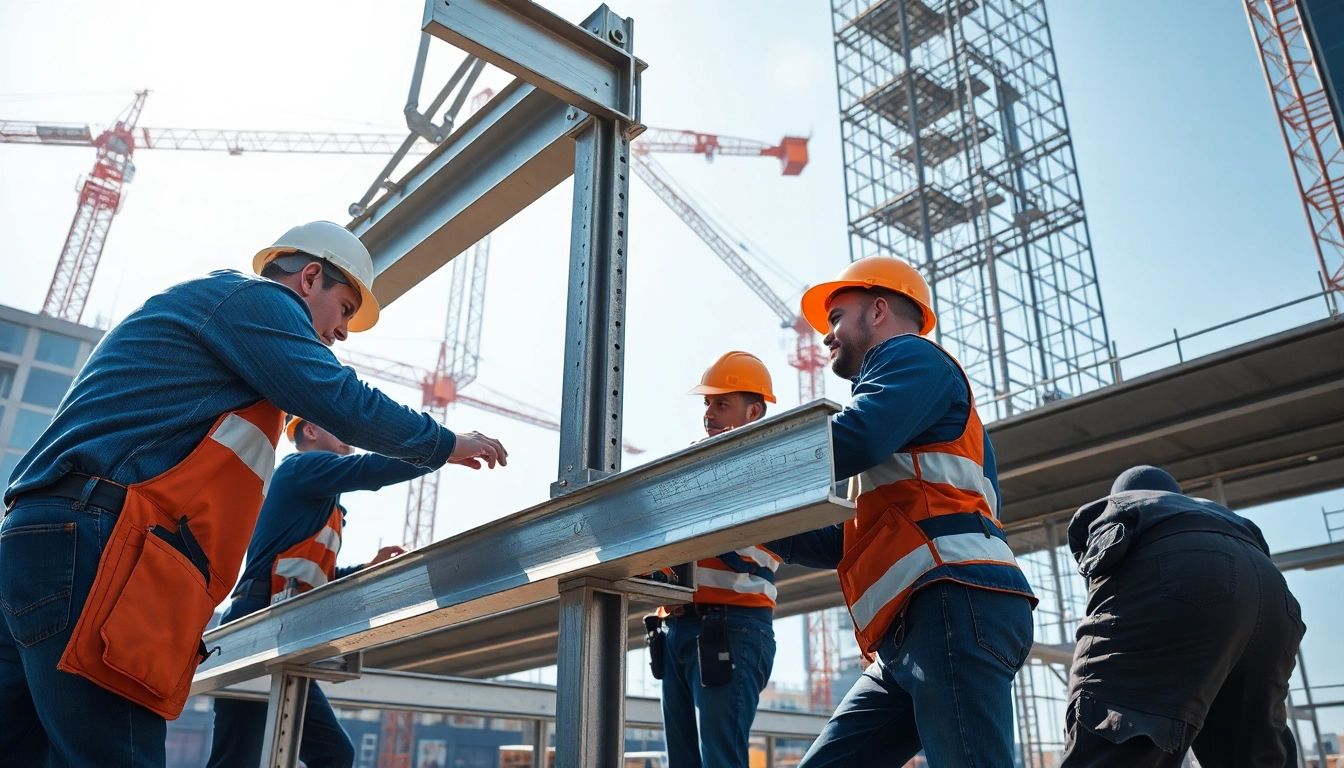
Structural steel installation refers to the process of erecting steel frameworks that serve as the backbone of a building or infrastructure project. This specific form of construction is critical in providing strength, stability, and durability to structures that face various environmental stresses and loads. Steel, known for its tensile strength and resilience, is manufactured and fabricated in specific shapes and sizes to meet the requirements of a given project. With the ongoing growth of urban environments and complex architectural designs, structural steel installation has become an essential discipline within the construction sector, influencing everything from skyscrapers to bridges.
Key Components of Structural Steel
Understanding the components of structural steel is vital for effective installation. These components typically include:
- Beams: Horizontal structural elements that bear loads and transfer them to columns.
- Columns: Vertical structural elements that support beams and transfer loads to the foundation.
- Braces: Diagonal components designed to stabilize the structure against lateral forces.
- Frames: Assemblies of beams and columns that form the skeleton of the structure.
- Connections: Welds or bolts used to join structural elements, ensuring the overall integrity of the framework.
Importance in Construction
Structural steel is pivotal in construction due to its numerous advantages. These include:
- High Strength-to-Weight Ratio: Allowing for lighter structures without compromising strength.
- Sustainability: Structural steel is recyclable, making it an environmentally friendly choice for modern construction.
- Design Flexibility: Steel can be fabricated into a variety of shapes and sizes, accommodating innovative architectural designs.
- Speed of Construction: Pre-fabricated steel components enable quicker assembly on-site, minimizing project timelines.
Planning Your Structural Steel Installation
Initial Assessments and Site Preparation
The success of any structural steel installation hinges on thorough planning. This phase begins with site assessments, which evaluate the land's topography, soil conditions, and existing structures. Engineers conduct geotechnical investigations to understand the soil's bearing capacity, crucial for designing foundations that can support heavy steel structures. Furthermore, project managers must ensure that the site is cleared and that necessary permits and approvals have been acquired before any physical work begins.
Design Considerations for Structural Integrity
Designing a steel structure involves various engineering principles to ensure its integrity and safety. Engineers utilize advanced software for structural analysis and design, considering factors such as load distribution, potential stresses, and environmental impacts. Building codes and standards such as the American Institute of Steel Construction (AISC) guidelines must be adhered to, ensuring that safety measures and structural longevity are prioritized. Additionally, collaboration with architects is essential to achieve both aesthetic and functional goals in design.
Regulatory Compliance and Safety Standards
Compliance with local, state, and national codes is non-negotiable in any construction project involving structural steel. This includes following safety regulations outlined by the Occupational Safety and Health Administration (OSHA) and local building authorities. It is essential to ensure that safety measures, such as fall harnesses and proper scaffolding, are in place during installation. Furthermore, engineers must also submit documentation proving adherence to these standards at various stages of the project for inspections and approvals.
Executing Structural Steel Installation
Best Practices for Efficient Installation
Efficiency during the installation of structural steel is vital to optimize resources and manage costs. Key best practices include:
- Pre-fabrication: Fabricating components in a controlled environment reduces on-site labor and weather-related delays.
- Sequential Installation: Following a logical installation sequence that aligns with the flow of construction can prevent bottlenecks and misalignments.
- Regular Communication: Coordination among all teams involved is crucial to address issues as they arise and keep the project on schedule.
Equipment and Tools Used in Installation
The installation of structural steel relies on specialized equipment designed to handle the weight and complexity of large steel components. Essential tools include:
- Cranes: To lift and place beams, columns, and other structural components at elevation.
- Welders: For creating durable connections between steel members.
- Bolting Equipment: For fastening structural elements securely.
- Laser Levels: Ensuring accuracy during the placement of steel frames.
- Scaffolding: Providing safe access to heights for workers and equipment.
Common Challenges and Solutions
While structural steel installation is beneficial, it is not without challenges. Common issues faced include:
- Weather Delays: Extreme weather can interrupt installation schedules. Solutions include planning for seasons and having contingency plans.
- Site Access Issues: Limited site access can hinder equipment movement. It’s essential to assess logistics early on and plan the delivery sequence accordingly.
- Alignment Issues: Misalignment during installation can lead to costly rework. Employing experienced workers and advanced equipment can reduce occurrences of misalignment.
Post-Installation Processes
Inspection Procedures
Once the installation is complete, rigorous inspections are mandatory. These assessments confirm that all components meet regulatory standards and design specifications. Construction professionals often use non-destructive testing methods to evaluate welds and material integrity without causing damage. Regular inspections ensure that any issues are identified and resolved before the building is occupied, protecting the safety of future occupants.
Finishing Touches and Support Systems
With the main structural steel installed, focus shifts to the finishing touches. This may include applying protective coatings to prevent corrosion, adding insulation, or installing cladding. Additionally, support systems like bracing or cross-beams may be implemented to enhance structural stability and safety. Attention to detail during this phase can greatly impact the overall durability and performance of the building.
Maintenance Tips for Longevity
To maximize the lifespan of structural steel components, implementing a regular maintenance schedule is crucial. Key maintenance practices include:
- Regular Inspections: Conduct visual inspections for signs of rust, cracks, or deterioration.
- Cleaning: Keep surfaces clean to prevent corrosion and maintain aesthetic appeal.
- Protective Coatings: Reapply protective coatings as necessary to shield steel from environmental damage.
Future Trends in Structural Steel Installation
Emerging Technologies in Steel Construction
The structural steel industry is evolving rapidly, influenced by advancements in technology. 3D printing, Building Information Modeling (BIM), and robotics are making significant contributions to efficiency and precision in steel fabrication and installation. These technologies allow for more accurate designs, reduced material waste, and enhanced collaboration among project stakeholders.
Green Building Practices
As sustainability becomes a focal point in construction, green building practices are increasingly being adopted in structural steel installation. This includes the use of recycled steel, which not only conserves resources but also minimizes the carbon footprint of construction projects. Additionally, energy-efficient techniques and materials are integrated into new steel frameworks to meet environmental standards and showcase a commitment to sustainability.
Innovation in Structural Design
Innovative structural designs are reshaping the landscape of construction projects. The integration of architectural and structural elements allows for unique forms that were once thought to be unachievable. This trend underscores the importance of collaboration between architects and engineers in pushing the boundaries of what is possible in structural engineering while maintaining safety and efficiency in installations.