Understanding Structural Steel Welding
Definition and Importance of Structural Steel Welding
Structural steel welding is an essential process in the construction and fabrication industries, allowing metal parts to be joined together to create robust and reliable structures. This technique is particularly critical when fabricating buildings, bridges, and other infrastructures. Due to the strength and versatility of steel, structural steel welding provides the backbone to our modern buildings and is quintessential in ensuring the longevity and stability of these structures.
The importance of structural steel welding extends beyond just joining materials. It involves technical skills and a deep understanding of metallurgy and construction standards. Properly executed welds enhance the mechanical properties of steel, making structures more resilient to environmental stressors such as wind, earthquakes, and other loads.
Common Applications in Construction
The applications of structural steel welding span various sectors of the construction industry. Primarily, these applications include:
- Buildings: High-rise commercial and residential buildings utilize structural steel to achieve significant strength with minimal weight.
- Bridges: Steel welding is crucial in constructing suspension and beam bridges, where strength and load-bearing capabilities are paramount.
- Industrial Structures: Factories, power plants, and warehouses often rely on structural steel frameworks due to their durability and flexibility.
- Infrastructure: Roads and highways incorporate steel in their construction to support heavy traffic loads and provide longevity.
Key Benefits of Structural Steel Welding
Structural steel welding offers several advantages, contributing to its widespread use in construction:
- Durability: Welded steel structures can withstand harsh environments, ensuring a long service life.
- Cost Efficiency: Steel’s inherent strength enables lighter structures, which can reduce material costs and foundations.
- Design Flexibility: Steel can be formed into various shapes and sizes, allowing architects and engineers to get creative with designs.
- Speed of Construction: Using pre-fabricated steel components can accelerate the construction timeline, which is crucial for meeting project deadlines.
Types of Structural Steel Welding Techniques
Manual Arc Welding (SMAW)
Manual Arc Welding, or Shielded Metal Arc Welding (SMAW), is a widely used technique known for its versatility in different environments. This process involves using a consumable electrode coated with flux to lay the weld. The coating generates gas and slag, protecting the weld pool from atmospheric contamination.
SMAW is particularly popular because it can be used for welding in various positions and locations, making it suitable for fieldwork and fabricating environments. It’s cost-effective and requires minimal equipment, though it does demand significant skill from the operator to ensure quality welds.
Gas Metal Arc Welding (GMAW)
Gas Metal Arc Welding (GMAW), commonly referred to as MIG (Metal Inert Gas) welding, is a process that uses a continuous solid wire electrode fed through a welding gun to produce the weld. Inert gas, typically argon or a mix of gases, shields the weld from contaminants. GMAW is favored for its speed and efficiency, producing clean and high-quality welds.
This method is particularly advantageous for welding thin sections of metal and is popular in automotive and industrial applications. Its automatic nature reduces the skill required for operators and allows for high production rates.
Flux-Cored Arc Welding (FCAW)
Flux-Cored Arc Welding (FCAW) is a variation of GMAW but uses a tubular wire filled with flux instead of a solid wire. This enables it to provide an internal shielding gas, making it feasible to use outdoors where wind might affect other types of welding.
FCAW is highly productive and provides excellent penetration and metal deposition rates. It is often utilized in construction, shipbuilding, and heavy equipment manufacturing due to its adaptability in various environments and metal thicknesses.
Best Practices for Structural Steel Welding
Pre-Welding Preparation and Safety Checks
Before initiating any welding project, proper preparation is crucial to ensure not only the quality of the weld but also the safety of the workers. Essential steps include:
- Assessing Base Materials: Inspect the steel for any defects or contaminants that could affect weld quality.
- Pre-Cleaning: Ensure that surfaces are free from rust, paint, and grease to improve adhesion and weld integrity.
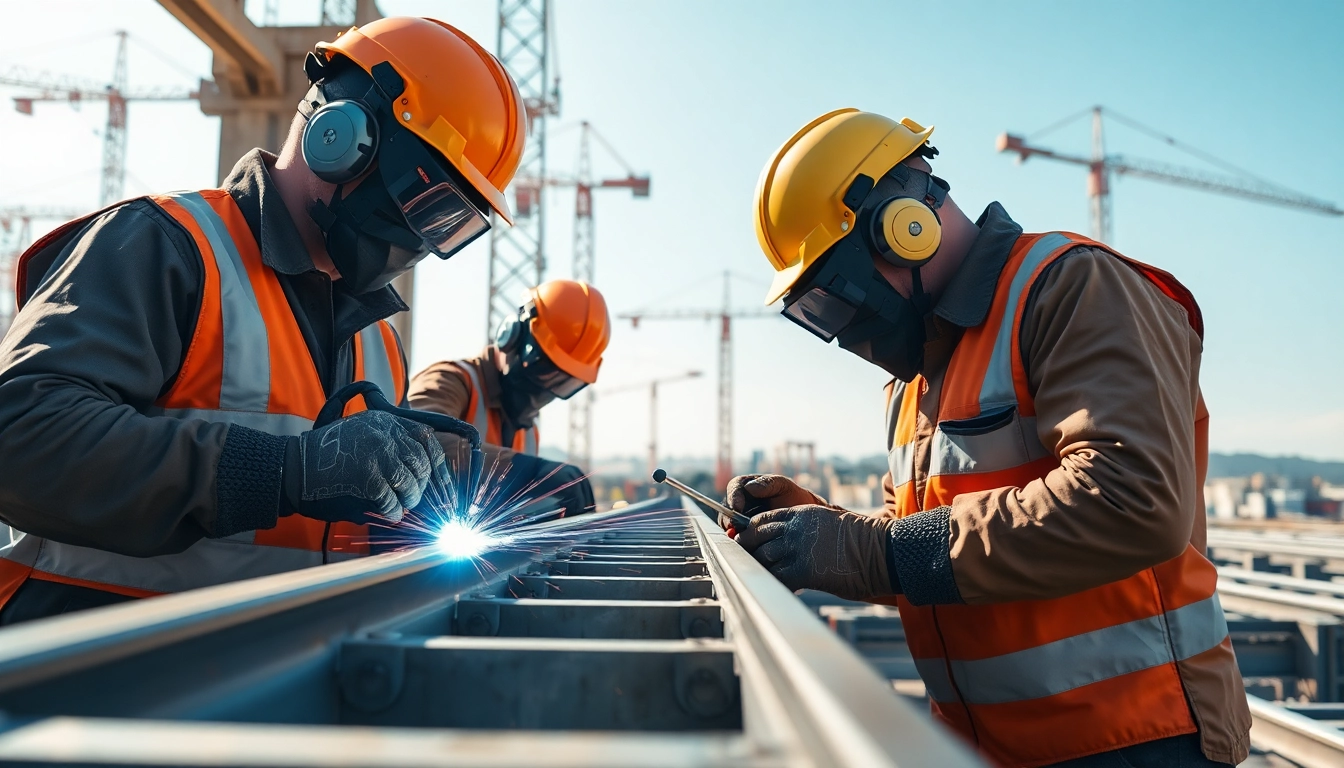
- Personal Safety: Implement safety gear including helmets, gloves, and protective clothing to mitigate risks associated with welding.
- Environmental Conditions: Evaluate weather conditions if working outdoors to avoid unnecessary complications, such as wind affecting shielding gas.
Technique and Equipment Selection
Choosing the right technique and equipment is fundamental for successful welding. Key considerations include:
- Welding Environment: Select techniques like FCAW for outdoor environments or SMAW for tight spaces where maneuverability is limited.
- Material Thickness: Opt for GMAW when working with thinner materials to prevent burn-through, whereas SMAW may be more appropriate for thicker sections.
- Equipment Compatibility: Ensure that the selected welding machines are suitable for the chosen technique, considering factors like power and electrode types.
Quality Control Measures in Welding
To maintain high standards in structural steel welding, implementing quality control measures is vital:
- Visual Inspection: Regularly inspect welds for surface imperfections, discontinuities, or misshaped joints that may indicate defects.
- Nondestructive Testing (NDT): Techniques such as ultrasonic or radiographic testing can uncover internal defects without damaging the structure.
- Documentation: Maintain thorough records of weld procedures, inspections, and repairs, which are essential for traceability in structural applications.
Career Opportunities in Structural Steel Welding
Job Roles and Responsibilities
The demand for skilled structural steel welders continues to rise alongside infrastructure development. Job roles in this field vary widely and include:
- Structural Welder: Responsible for executing welding processes on beams, frames, and other structures.
- Welding Inspector: Evaluates weld quality and compliance with standards and specifications.
- Fabrication Foreman: Oversees welding teams and coordinates the fabrication process in workshops or job sites.
Required Skills and Certifications
Successful welders must possess a combination of practical skills and theoretical knowledge. Critical skills include:
- Technical Skills: Proficiency in various welding techniques and understanding of blueprints or welding symbols.
- Problem-Solving Skills: Ability to troubleshoot issues that arise during welding processes.
- Certifications: Recognition from organizations like the American Welding Society (AWS) can enhance employability and signify expertise.
Career Growth and Salary Prospects
Career prospects in structural steel welding are promising, particularly due to ongoing infrastructure projects across the country. Entry-level welders can expect competitive salaries, which increase with experience and specialization. Advancement into supervisory roles or specialized fields like underwater welding offers significant potential for career growth and financial reward.
Future Trends in Structural Steel Welding
Advancements in Welding Technology
The welding industry continuously evolves with technology advancements that enhance efficiency, safety, and quality:
- Automation: Robotic welding systems are becoming more prevalent, particularly in automated production lines, increasing precision and reducing human error.
- 3D Printing of Metal Parts: Emerging technologies allow for the printing of components, streamlining the manufacturing process.
- Laser Welding: This technique offers high speed and precision for joining thin materials, making it beneficial for specific applications.
Environmental Considerations in Steel Manufacturing
As industries shift towards sustainability, the structural steel welding sector is also impacted by increasing environmental considerations. The focus on reducing carbon footprints has led to:
- Recycling: Using recycled steel for fabrication minimizes waste and reduces the need for new raw materials.
- Green Welding Processes: Developing welding methods that lower energy consumption and produce fewer emissions.
The Impact of Automation on Welding Processes
Automation is reshaping the landscape of structural steel welding, leading to efficiency gains and quality improvements. While traditional welding relies heavily on skilled labor, automated systems can enhance consistency and speed up production times, ultimately transforming the workforce dynamics within the industry.
Frequently Asked Questions
What types of welding are used for structural steel?
Common welding techniques for structural steel include Manual Arc Welding (SMAW), Gas Metal Arc Welding (GMAW), and Flux-Cored Arc Welding (FCAW), each suited for specific applications and environments.
What does a structural steel welder do?
A structural steel welder constructs, assembles, and repairs metal structures, including beams and frames for buildings or bridges, ensuring they meet design specifications.
Is structural welding a secure career?
Yes, structural welding offers robust job security with increasing infrastructure projects and a persistent demand for skilled tradespeople in the construction sector.
Which welding technique is best, SMAW or GMAW?
Choosing between SMAW and GMAW depends on the project specifications; SMAW provides versatility, while GMAW is faster and suited for clean, thinner materials.
What certifications are required for welders?
Welders may pursue certifications from organizations like the American Welding Society (AWS) to enhance their qualifications, indicating their skills meet industry standards.