
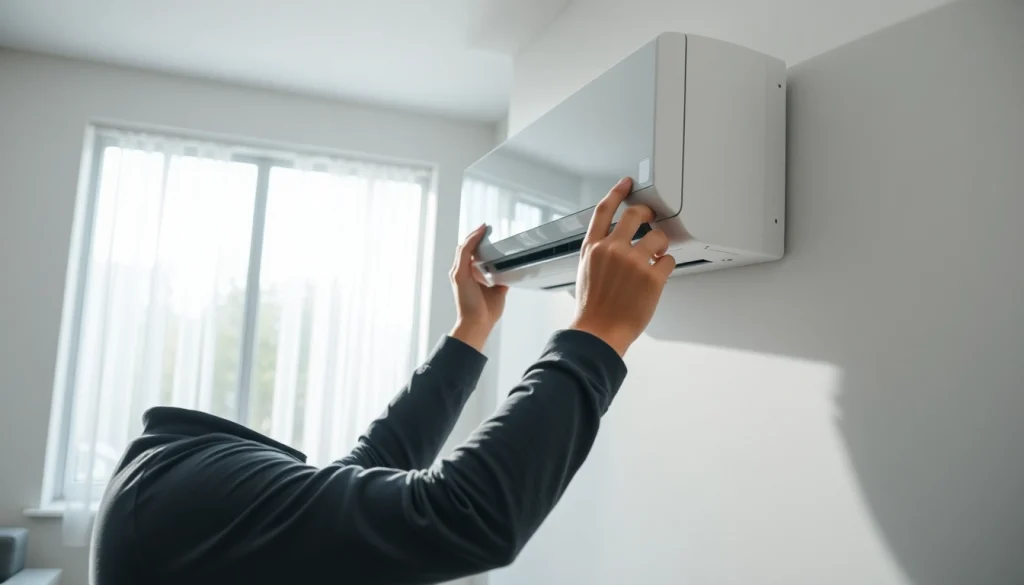
Understanding Mini Split AC Technology
What is a Mini Split AC?
A mini split AC is a type of air conditioning system that is designed for versatility and efficiency. This heating and cooling solution consists of two main components: an indoor air-handling unit and an outdoor compressor unit. Unlike traditional central air systems, mini split AC units do not require ductwork, which allows for easier installation and improved energy efficiency.
Often referred to as ductless mini split systems, these units are ideal for homes without pre-existing ducts or for rooms that require discrete climate control. Their streamlined design means they can be mounted on walls or ceilings, providing a simple solution for residential and commercial cooling needs. If you’re considering efficient air conditioning options, explore mini split ac systems as a viable choice.
Components of Mini Split AC Systems
Understanding the components of a mini split AC system is crucial for both homeowners and installers. Here are the primary components:
- Indoor Unit: This is the part of the system that is installed indoors. It houses the evaporator coil, blower fan, and air filter.
- Outdoor Unit: Located outside, this unit contains the compressor and condenser coil. It is responsible for pulling in outside air and expelling the heat absorbed from indoors.
- Refrigerant Lines: These insulated lines connect the indoor and outdoor units and carry refrigerant to facilitate heat exchange.
- Remote Control: Most mini split systems come with a remote control that allows users to adjust settings, temperature, and modes (cooling, heating, etc.) without having to manually operate the units.
How Mini Split AC Works
Mini split AC systems function through a straightforward process of heat exchange. In cooling mode, the indoor unit pulls warm air from the room and circulates it over the evaporator coil filled with refrigerant. The refrigerant absorbs the heat, transforming from a liquid to a gas in the process. This gas is then transported to the outdoor unit, where it releases the heat before condensing back into a liquid.
This cycle of evaporation and condensation continues, maintaining a comfortable temperature indoors. Moreover, in heating mode, the process is reversed, allowing the system to absorb ambient heat from outside air and transfer it indoors. This dual functionality makes mini split AC units cost-effective and versatile solutions for climate control.
Benefits of Mini Split AC Systems
Energy Efficiency of Mini Split AC
One of the standout advantages of mini split AC systems is their superior energy efficiency. Traditional HVAC systems often face energy loss due to ductwork—which can account for up to 30% of energy consumption in poorly insulated homes. Mini splits, lacking ductwork, eliminate this concern and deliver conditioned air directly to the desired spaces.
Additionally, many mini split systems have high Seasonal Energy Efficiency Ratio (SEER) ratings, meaning they consume less electricity compared to other cooling options. The inverter technology used in these units enables them to adjust the compressor speed based on temperature needs, allowing for quick and efficient cooling or heating.
Flexibility in Cooling and Heating
Mini split AC systems provide unmatched flexibility, serving both heating and cooling needs in a single unit. Users can select from a variety of indoor unit styles, including wall-mounted, ceiling-mounted, and floor-mounted designs, to fit the aesthetics and functionality of their spaces.
Moreover, these systems allow for zoning capabilities, meaning you can control the temperature of individual rooms or areas independently. This leads to significant cost savings, as you can cool or heat only the spaces that are in use, reducing unnecessary energy consumption.
Enhanced Indoor Air Quality with Mini Split AC
The design of mini split AC systems enhances indoor air quality. With no ducts to accumulate dust, allergens, and pollutants, these systems help maintain cleaner air. Additionally, many units come equipped with advanced filtration options to capture particulate matter and improve air quality.
As a result, homeowners experience fewer allergy symptoms and health issues related to poor air quality. This is particularly beneficial for individuals with respiratory conditions, making mini splits a preferred choice for ensuring a healthy indoor environment.
Installation Process of Mini Split AC
How to Choose the Right Location
Selecting the appropriate location for your mini split AC system is crucial for optimal performance. The indoor unit should be placed away from obstructions that could impede airflow and in a location that maximizes the distribution of conditioned air throughout the room.
The outdoor unit, on the other hand, should be placed in a well-ventilated area, protected from debris, trees, or shrubs that might block airflow. It is also recommended to position the unit on a stable surface, ideally elevated off the ground to prevent flooding in heavy rain.
Basic Steps for Installing Mini Split AC
The installation process for a mini split AC involves several key steps:
- Planning: Analyze your space to determine the BTU requirements and select the right model.
- Mounting the Indoor Unit: Secure the indoor unit on the chosen wall or ceiling, ensuring it’s properly leveled.
- Connecting Refrigerant Lines: Drill a small hole through the wall to run the refrigerant lines, ensuring that they are insulated and protected from potential damage.
- Installing the Outdoor Unit: Place the outdoor unit on a stable, elevated surface and connect it to the refrigerant lines.
- Wiring and Testing: Connect the electrical wiring between the indoor and outdoor units and perform tests to check for leaks or issues.
Common Installation Mistakes to Avoid
To ensure your mini split AC operates efficiently and effectively, avoid these common installation mistakes:
- Improper Placement: Installing the indoor unit too high or too low can disrupt airflow; ensure it’s positioned for optimal circulation.
- Ignoring the Manual: Always follow the manufacturer’s installation guidelines to avoid warranty issues and performance complications.
- Neglecting Insulation: Failing to properly insulate refrigerant lines can lead to energy loss and strain on the system.
- Underestimating BTU Needs: Miscalculating the needed capacity may cause inefficient heating or cooling, leading to discomfort and higher bills.
Maintenance Tips for Mini Split AC
Regular Cleaning and Care
Regular maintenance is essential for the longevity and efficiency of your mini split AC system. Cleaning the air filters periodically helps maintain airflow and improves indoor air quality. Users are advised to check these filters every month, especially during peak usage seasons.
Additionally, ensuring that the outdoor unit is free from debris, like leaves and dirt, will help maintain optimal performance. Annual professional maintenance checks are also recommended to inspect refrigerant levels and identify potential issues early.
Signs Your Mini Split AC Needs Service
Understanding when your mini split AC requires servicing can prevent larger problems down the line. Watch for these signs:
- Insufficient heating or cooling
- Unusual noises or vibrations from the unit
- Increased energy bills without a change in usage
- Leaking water from the indoor or outdoor unit
Addressing these issues promptly by contacting a qualified technician can ensure the system operates efficiently.
Extending the Lifespan of Your Mini Split AC
The lifespan of mini split AC systems can be maximized with proper care and attention. Users should:
- Schedule regular maintenance checks at least once a year.
- Keep the outdoor unit free from obstructions and clean.
- Install the system according to manufacturer standards.
All these actions contribute to maintaining efficient operation and prolonging the system’s lifespan.
FAQs About Mini Split AC Systems
What size mini split ac do I need for my space?
The size needed depends on the room’s BTU requirements, which are influenced by factors like square footage, ceiling height, and climate. A professional calculation ensures the correct capacity.
Can I install a mini split ac myself?
While some handy individuals can install mini splits, it is recommended to hire a professional. Proper installation ensures efficiency and adherence to warranty requirements.
How often should I service my mini split ac?
Mini split AC systems should be serviced at least once a year. Regular maintenance helps identify issues early and optimizes performance.
What temperature should I set my mini split ac to?
The ideal temperature depends on personal preference, typically ranging from 70°F to 75°F for cooling. Adjust settings based on comfort while considering energy efficiency.
Are mini split ac units noisy?
Mini split systems are generally quieter than traditional units. However, noise levels can vary by model, so consider sound ratings when choosing a unit.