
Understanding Insulated Snow Boots
What Are Insulated Snow Boots?
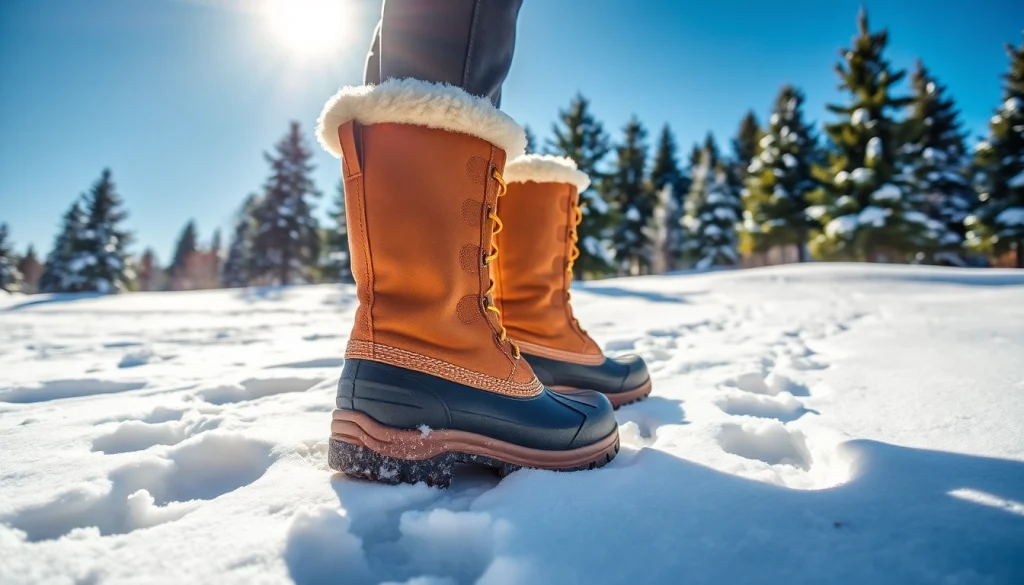
Insulated snow boots are specially designed footwear that provide warmth, protection, and comfort in snowy and cold environments. They are built to keep your feet insulated against freezing temperatures while also offering waterproofing to keep your feet dry in wet conditions. Typically made with durable outer materials and filled with insulating materials such as synthetic fibers, these boots cater to a variety of winter activities, from casual strolling to snowshoeing and skiing. Insulated snow boots come in various styles and functionalities, ensuring there is a suitable option for everyone.
Importance of Insulation in Winter Footwear
Insulation is crucial in winter footwear and mainly serves one purpose: to maintain body heat. When temperatures plunge, the risk of frostbite and other cold-related injuries increases significantly. Insulated snow boots work to trap body heat, using materials that minimize heat loss while preventing moisture accumulation, which could dull insulation performance. Therefore, selecting insulated snow boots that cater to your specific climate conditions—be it frigid, wet, or both—should be a priority. The right insulation can extend your outdoor adventures comfortably and safely.
Key Features of Quality Insulated Snow Boots
A well-designed insulated snow boot incorporates several key features that enhance overall performance:
- Insulation Type: Various materials, such as Thinsulate or natural down, offer different insulation levels. Assessing your activity and environment can guide your selection.
- Waterproofing: A quality pair should have waterproof or water-resistant materials to keep feet dry in wet, slushy conditions.
- Traction: Exceptional grip on snowy surfaces is crucial for safety; outsoles with advanced tread patterns are critical for proper traction.
- Height and Comfort: Proper height can shield against snow intrusion, while good padding and cushioning enhance comfort for prolonged wear.
- Weight: Despite insulation, quality boots are crafted to keep weight manageable, ensuring ease during activities.
Choosing the Right Size and Fit
Measuring Your Foot for Optimal Fit
Finding the proper size in insulated snow boots requires accurate foot measurement. Start by measuring the length of your foot from the heel to the longest toe while standing, as feet tend to slightly elongate under weight. It’s advisable to measure both feet since one can often be larger than the other. Once you have the measurements, compare them against size charts provided by manufacturers for the best fit. This step is critical because an ill-fitting boot can lead to discomfort and reduced insulation efficiency.
Understanding Width Sizing
Width sizing is equally important in achieving a proper fit in insulated snow boots. Common widths include narrow, regular, and wide. A boot that is too wide may lead to instability and a loss of warmth due to excess air, while a boot that is too narrow can pinch and cause pain. Many brands offer boots in various widths; therefore, understanding your foot’s width will help you make an informed choice. Trying boots on with the socks you typically wear for winter activities can also help in assessing fit.
Trying on Tips for Insulated Snow Boots
When trying on insulated snow boots, perform several checks to ensure a proper fit:
- Toe Room: Make sure there’s ample space in the toe box, allowing for wiggle room without the toes hitting the front of the boot.
- Heel Fit: The heel should fit snugly without lifting during movement to prevent blisters.
- Arch Support: Check for good arch support, which may include removable insoles for custom orthotics as needed.
- Walk and Bend: Walk around and bend your knees to mimic movement during outdoor activities. The boot should flex comfortably without pinching.
Materials and Technologies in Insulated Snow Boots
Common Materials Used in Construction
Understanding the materials used in the construction of insulated snow boots can help you choose the right pair. Common outer materials include:
- Nylon and Polyester: Lightweight and durable, these materials offer abrasion resistance while being less expensive.
- Leather: Traditionally used for its durability and style, leather often features waterproof treatments but may require more care.
- Synthetic Fabrics: Frequently used for insulation, these can trap heat while remaining lightweight.
Each material has its benefits and potential drawbacks, making it essential to consider your activity type and climate when selecting insulated snow boots.
Innovative Insulation Technologies Explained
The insulation technology used in insulated snow boots varies widely. Some of the most popular technologies include:
- Thinsulate: Developed by 3M, this insulation provides remarkable warmth-to-weight ratio. It is thin enough to allow for a tighter fit without sacrificing warmth.
- Primaloft: Known for its water-resistant qualities, Primaloft mimics the properties of down insulation. It’s an excellent choice for wet conditions.
- Down Insulation: Natural down offers excellent warmth but may lose its insulating properties when wet unless treated with water-resistant features.
Each of these technologies addresses specific needs, such as moisture management or lightweight properties, which can enhance your winter experience significantly.
Waterproofing Options for Enhanced Performance
A key element of insulated snow boots is effective waterproofing, ensuring your feet stay dry and warm. Most quality insulated snow boots feature one or more of the following waterproofing techniques:
- Waterproof Membranes: Membrane technologies like Gore-Tex allow moisture to escape while preventing external water from penetrating.
- DWR Coatings: Durable Water Repellent (DWR) coatings on boot surfaces serve as an initial barrier, causing water to bead off the fabric.
- Seam Sealing: Seam-sealed construction prevents moisture from entering through stitching, enhancing overall waterproofing.
Understanding these waterproofing options will aid in selecting boots suitable for various winter weather conditions, ensuring optimal performance and comfort.
Caring for Your Insulated Snow Boots
Cleaning Instructions for Longevity
Proper care and cleaning are essential to ensure the longevity of your insulated snow boots. Follow these guidelines:
- Remove Dirt and Debris: After outdoor activities, brush off mud, snow, or dirt to prevent material degradation.
- Hand Wash: Use a soft cloth or sponge with mild soap and water. Avoid submerging the boots in water.
- Dry Properly: Allow your boots to dry at room temperature. Never place them near direct heat sources, as this can damage materials.
Regular maintenance not only keeps your boots looking good but also preserves their protective qualities.
Storage Tips for Off-Season
During the off-season, proper storage will help maintain the structural integrity and functionality of your insulated snow boots:
- Clean Before Storing: Always clean your boots before storage to prevent mold and odors.
- Keep in a Cool, Dry Place: Store in a well-ventilated area away from direct sunlight to prevent warping and fading.
- Use Boot Trees: To help maintain their shape, consider using boot trees or stuffing them with newspaper.
By following these storage tips, you can ensure your insulated snow boots remain in peak condition, ready for the next winter season.
How to Inspect for Wear and Tear
Regular inspections can help you identify wear and tear in your insulated snow boots before they become unusable:
- Check for Cracks: Look for cracks or separation in the seams and materials, particularly around the toe box and heel.
- Inspect Outsoles: Worn-down tread can compromise grip. Pay attention to the depth and patterns of the outsole for optimal traction.
- Assess Insulation: If your feet are frequently cold, it may indicate that the insulation has deteriorated and is no longer effective.
Being proactive about checking your boots can significantly enhance their lifespan and performance.
Frequently Asked Questions
What temperature are insulated snow boots suitable for?
Insulated snow boots are generally rated for temperatures from 0°F to -40°F, depending on padding and insulation type.
Can I wear insulated snow boots for hiking?
Yes, many insulated snow boots are designed for hiking, providing the necessary warmth and traction needed on snowy trails.
How do I know if my boots are waterproof?
Look for waterproof materials like Gore-Tex or manufacturer specifications detailing water resistance in the product description.
Are insulated snow boots heavy?
Quality insulated snow boots are designed to be lightweight, balancing insulation with comfort and ease of movement.
How often should I replace my snow boots?
Plan to replace your snow boots every 3 to 5 years, depending on wear, insulation integrity, and waterproofing effectiveness.