
Understanding Frizzy Hair and Its Causes
The Science Behind Frizz
Frizz is a common hair concern that affects individuals with various hair types, primarily those with wavy and curly textures. Scientifically, frizz occurs when the outer layer of the hair, known as the cuticle, becomes raised or damaged. This allows moisture from the air to enter the hair shaft, causing it to swell and create that undesirable frizzy look. Humidity plays a crucial role, as water molecules can disrupt the hydrogen bonds in hair, exacerbating frizz.
Common Misconceptions About Hair Texture
Many people misunderstand the nature of their hair texture. A prevalent myth is that frizzy hair is always unhealthy; however, it can also be a characteristic of naturally curly or wavy hair. It’s essential to recognize that hair texture varies widely and that frizz can occur due to environmental factors, product buildup, or inadequate care. Challenging these misconceptions can lead to more effective care strategies and a better understanding of how to manage hair.
Identifying Your Hair Type
To combat frizz effectively, first, identify your specific hair type. Hair can generally be classified into straight, wavy, curly, and coily categories, each presenting unique challenges. Analyzing your hair under various conditions can help determine its nature. For example, wet hair can reveal curl patterns, while dry hair might show how it responds to humidity. Knowing your hair type not only helps in selecting suitable products but also in mastering styling techniques for frizz control.
Features to Look for in a Hair Dryer for Frizzy Hair
Hair Dryer Technologies Explained
When shopping for a Hair dryer for frizzy hair, understanding the various technologies can make a significant difference. Ionic hair dryers are particularly beneficial for frizz-prone hair. They emit negative ions that counteract the positive ions present in frizz, helping to smooth and reduce drying time. On the other hand, tourmaline dryers utilize minerals that enhance moisture retention while minimizing heat damage.
Essential Attachments and Accessories
Attachments greatly enhance the functionality of your hair dryer. A concentrator nozzle, for example, directs the airflow precisely where it’s needed, helping to tame frizz and create sleek styles. A diffuser is essential for those with curly or wavy hair, as it distributes heat evenly, preventing frizz while maintaining curl structure. Also, consider heat protective attachments that encourage even distribution and reduced heat exposure, further combating potential damage.
Impact of Heat Settings on Hair Health
The heat setting on your hair dryer can significantly affect the health of frizzy hair. High temperatures may hasten the drying process, but they also strip moisture and increase the chances of damage. Experts recommend using medium heat to gently dry hair while preserving its natural hydration. For those days when time is of the essence, consider using a cool shot setting at the end, which helps to seal the cuticle and smooth out frizz effectively.
How to Use a Hair Dryer Effectively on Frizzy Hair
Prepping Your Hair Before Drying
Preparation is key in managing frizz during drying. Begin by using a nourishing conditioner that suits your hair type, followed by a leave-in treatment that provides heat protection. Towel-drying your hair carefully is essential; avoid vigorous rubbing, which can exacerbate frizz. Instead, gently squeeze excess moisture with a microfiber towel or a cotton T-shirt to minimize friction.
The Best Drying Techniques for Frizz Control
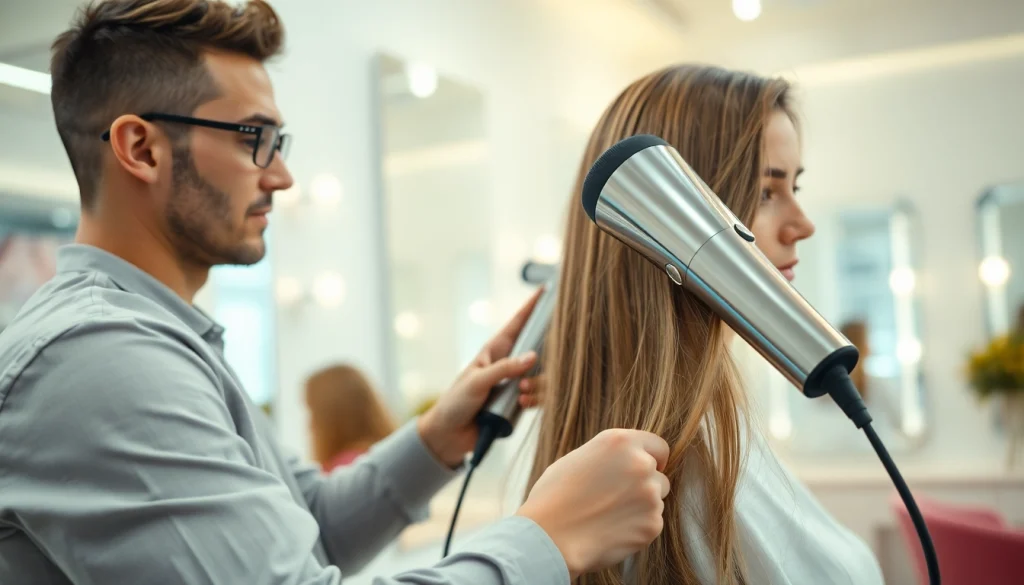
Once your hair is prepped, the technique of drying can greatly influence the final outcome. Start drying at the roots, directing airflow downwards to help smooth the cuticle. Using the concentrator nozzle, focus on small sections to enhance control. For curly hair, scrunching the hair as you dry can aid in defining curls and reducing frizz. Overall, the drying process should be thorough yet gentle to achieve the best results.
Post-Drying Care for Frizzy Hair
After drying, the right care can help maintain smoothness. Applying a lightweight serum or oil can seal in moisture and add shine. However, be cautious not to overload your hair, as too much product can weigh it down. Additionally, consider using a boar bristle brush to smooth down any potential frizz throughout the day. Nightly routines can also play a significant role; consider using a silk pillowcase to minimize friction while you sleep.
Comparison of Popular Hair Dryer Types
Tourmaline vs. Ceramic Hair Dryers
Tourmaline hair dryers are favored for their ability to emit negative ions and infrared heat, which dries hair quickly while maintaining moisture. They are excellent for combating frizz because they help to smooth the hair cuticle. On the other hand, ceramic hair dryers offer even heat distribution and are less likely to cause hot spots, reducing the risk of damage. For frizzy hair, tourmaline can be particularly effective, but many find ceramic dryers to be gentler alternatives.
Ionic vs. Non-Ionic Dryers
Ionic hair dryers release negative ions that break down water droplets into finer particles, promoting faster drying and reducing frizz. Conversely, non-ionic dryers may take longer to dry hair and can potentially worsen frizz due to longer exposure to heat. For those dealing with persistent frizz, investing in an ionic dryer can yield significant improvements and streamline the hair drying process.
Professional vs. Home Hair Dryers
Professional hair dryers are specifically engineered for extended use and higher performance. They typically feature more heat and speed settings, enhanced durability, and advanced technologies such as digital heat regulation. For home users, while the price might be a consideration, having a professional-grade dryer can result in healthier hair and better styling outcomes over time. Purchasing a quality home hair dryer designed for frizzy hair can make a considerable difference in achieving a smooth finish.
FAQs About Hair Dryer for Frizzy Hair
What temperature is best for frizzy hair?
Use medium heat to avoid damage while smoothing frizz. Lower heat can help in maintaining moisture.
How often should I use a hair dryer?
Limit usage to avoid heat damage. Aim for 1-2 times a week, enhancing frizz control on non-wash days.
Can a hair dryer really reduce frizz?
Yes, when used correctly with proper products, a quality hair dryer can significantly reduce frizz.
What products should I use with my hair dryer?
Consider a heat protectant and smoothing serums to enhance results and keep hair healthy.
Why is an ionic hair dryer recommended for frizzy hair?
Ionic dryers emit negative ions that help break down water molecules, reducing drying time and frizz.