
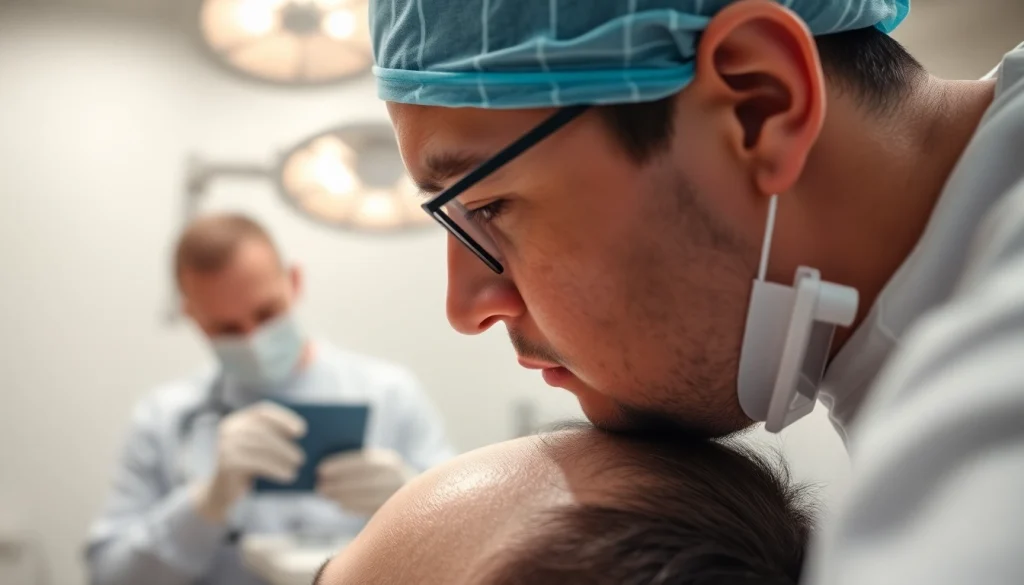
What is Hair Transplant?
Definition and Overview
Hair transplant is a surgical method that involves relocating hair follicles from a donor site—often the back or sides of the scalp—to areas that are thinning or balding. This procedure is primarily utilized to address androgenetic alopecia, commonly known as male or female pattern baldness. The result is a much fuller head of hair that can significantly enhance one’s appearance and confidence. The hair transplant process is designed to provide permanent results, making it a popular option for those struggling with hair loss.
Types of Hair Transplants
There are two main types of hair transplant techniques used today, each catering to different needs and preferences:
- Follicular Unit Extraction (FUE): This technique involves extracting individual hair follicles from the donor site and transplanting them to the balding areas. This method is minimally invasive and leaves little to no scarring, making it a favored choice among patients.
- Follicular Unit Transplantation (FUT): Also known as strip harvesting, this method involves removing a strip of tissue from the donor site, which is then divided into follicular units. While this technique may leave a linear scar, it can sometimes yield a higher number of grafts in a single session.
Ideal Candidates for Hair Transplant
Ideal candidates for a hair transplant generally possess:
- A sufficient amount of donor hair.
- Realistic expectations about the results.
- Stable hair loss, ensuring that the transplanted hair will have lasting results.
- Good overall health, which contributes to better healing and recovery.
Hair Transplant Techniques Evaluated
Follicular Unit Extraction (FUE)
FUE is a modern and popular approach in the hair transplant field. It involves extracting individual follicular units directly from the scalp using specialized instruments. The primary benefits of FUE include minimal scarring, quicker recovery times, and less discomfort during the procedure. Patients can also often sport shorter hairstyles without the concern of visible scarring.
Follicular Unit Transplantation (FUT)
FUT remains a highly regarded technique due to its ability to harvest a larger number of grafts in a single session. This approach is particularly beneficial for patients who require extensive coverage to achieve their desired hair density. However, the linear scar it leaves could be a concern for some patients. With proper post-operative care, the scar can be minimized.
Comparative Success Rates
Both FUE and FUT have high success rates exceeding 90%, contingent on factors such as the patient’s hair type and the surgeon’s skill. FUE may offer a higher success rate due to its precise method of grafting, while FUT’s ability to provide more grafts at once can be crucial for those needing significant restoration. Consulting with a qualified specialist will help determine the best approach tailored to an individual’s specific condition and goals.
Preparing for Your Hair Transplant
Consultation Process
The initial consultation is a vital step in preparing for a hair transplant. During this meeting, the specialist will assess your scalp’s condition, determine the extent of hair loss, and discuss your medical history. This information will guide the selection of the most suitable technique. Expect to discuss your expectations, potential risks, and post-care arrangements.
Pre-Procedure Care
Preparation for the procedure includes specific steps, such as:
- Avoiding blood thinners and certain medications that could increase bleeding.
- Refraining from consuming alcohol or tobacco in the days leading up to the procedure.
- Staying hydrated and maintaining a balanced diet to promote healing.
Costs Involved in Hair Transplant
The overall cost of a hair transplant can vary widely depending on factors such as the clinic’s location, the expertise of the surgeon, and the chosen technique (FUE or FUT). Patients should be aware that while some clinics advertise low prices, the quality of care can vary significantly. It’s crucial to consider the long-term value of a procedure rather than just the upfront cost. Potential costs can range from a few thousand to several thousand dollars.
During the Hair Transplant Procedure
What to Expect on the Day
On the day of the procedure, patients should expect a friendly and calming environment. The surgical team will walk you through each step, ensuring you’re comfortable. Local anesthesia will be administered to numb the scalp, allowing the hair transplant to be performed with minimal discomfort.
Pain Management During Surgery
Most patients report experiencing little pain during a hair transplant. The use of local anesthesia ensures that the scalp is numbed effectively. Post-surgery, some may experience tenderness or mild discomfort, which can typically be managed with over-the-counter pain relievers.
How Long Does the Procedure Take?
The duration of a hair transplant can range from four to eight hours, depending on the number of grafts being transplanted and the chosen technique. Patients should plan for a full day at the clinic, with some time needed for post-operative care discussions before leaving.
Post-Procedure Recovery and Results
Immediate Aftercare
After the procedure, careful aftercare is essential for optimal results. Patients will receive specific instructions on how to care for their scalp, including avoiding certain activities like heavy exercise and direct sun exposure. Proper hygiene and routine follow-up visits to the clinic can facilitate monitoring progress and any necessary adjustments.
Expected Results Timeline
Results from a hair transplant are not immediate. Patients can expect to see significant hair growth within six to twelve months, with maximum results becoming apparent at around twelve to eighteen months post-surgery. During the growth process, some may experience shedding of transplanted hair, referred to as “shock loss,” which is a normal occurrence.
Long-Term Maintenance
Maintaining the results of a hair transplant requires commitment. Regular check-ups with your specialist, along with personalized care routines, will help ensure longevity. Some patients also choose to incorporate medications like minoxidil to support their hair growth journey and prevent future hair loss.
Frequently Asked Questions
What are the common side effects of hair transplant?
Common side effects include swelling, tenderness, and mild discomfort in the donor and recipient areas. Scabs may form; however, these typically resolve within a week. It’s vital to follow aftercare instructions to minimize risks.
How long does hair transplant last?
A hair transplant is designed to be a permanent solution. The transplanted hair follicles are usually resistant to the effects of DHT, a hormone responsible for hair loss, ensuring lasting results.
Is hair transplant covered by insurance?
Typically, hair transplants are considered cosmetic procedures and are not covered by insurance. However, it’s essential to check with your provider for specific policy details and any potential coverage options.
Can hair transplant be done for women?
Absolutely! Women can benefit from hair transplants just as men do. The procedure can help women experiencing thinning hair or other forms of hair loss achieve natural-looking fullness.
Are hair transplant results permanent?
Yes, hair transplant results are generally permanent. The transplanted follicles come from areas resistant to hair loss, ensuring they continue to grow in their new location for many years.