
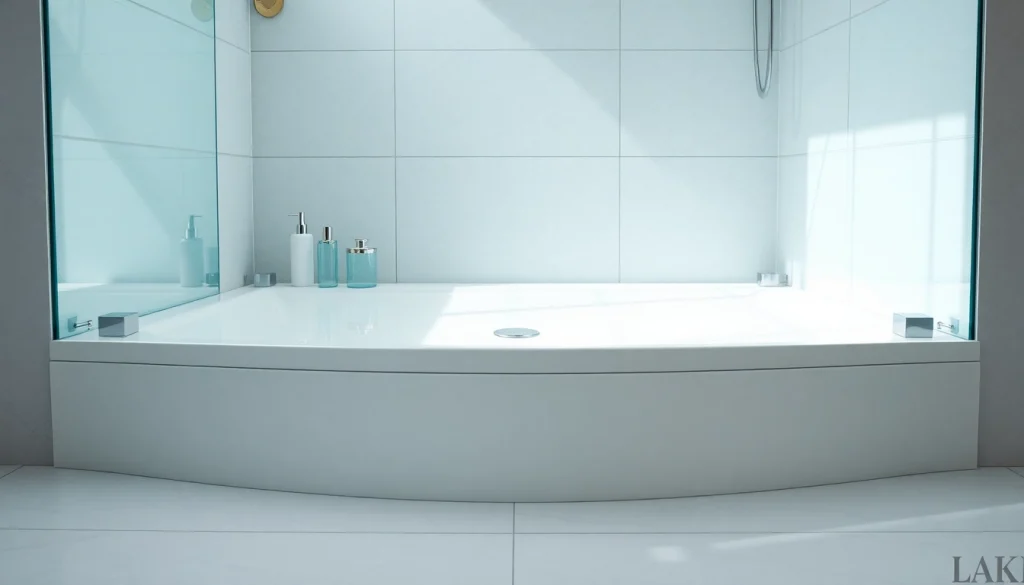
Introduction to Shower Base
The shower base is a fundamental component of any modern bathroom, serving as the foundation for your shower enclosure. It not only provides a practical surface for drainage and splash containment but also plays a significant role in the overall aesthetic of your bathroom. The right shower base can elevate the functionality and design of your bathing space, making it essential to understand its various attributes and how to select the best option for your specific needs.
Definition and Importance of Shower Base
A shower base, also known as a shower pan or floor, is designed to contain water within the shower area and direct it toward the drain. Its design ensures that water does not escape onto the bathroom floor, reducing the risk of slips and water damage. Additionally, a well-chosen shower base enhances the overall appearance of the bathroom, complementing other design elements while providing safety and convenience. It serves as the fundamental structure upon which tiles and other materials are layered, thereby being pivotal in the aesthetic as well as practical performance of a shower.
Types of Shower Bases
When it comes to shower bases, a variety of types are available, each with its unique characteristics, benefits, and drawbacks:
- Prefabricated Shower Bases: These come as complete kits, often made from acrylic or fiberglass. They are lightweight and relatively easy to install, making them ideal for DIY projects.
- Custom-Made Shower Bases: Tailored to fit specific measurements and preferences, these bases can match any bathroom layout. They are typically made from tile or stone and offer greater design flexibility, albeit at a higher cost and a longer installation time.
- Trench Drains: Preferred in walk-in shower designs, trench drains allow for a level floor without curbs. They provide a sleek modern look and facilitate easy access.
- Corner Shower Bases: Perfect for maximizing space in smaller bathrooms, these bases fit snugly into corners, offering an elegant solution for compact areas.
Benefits of Installing a Quality Shower Base
Investing in a quality shower base can yield immense benefits not just in practicality but also in the overall ambiance of your bathroom. Here are some key advantages:
Durability and Longevity
High-quality shower bases are designed to withstand constant moisture and everyday wear. Materials such as molded stone, acrylic, and ceramic tiles offer superb resilience against cracking, staining, and chipping. This durability translates into a longer lifespan for your shower base, reducing the need for frequent replacements and minimizing maintenance costs over time.
Waterproof and Maintenance Features
A good shower base is inherently waterproof, protecting your subfloor from potential mold and mildew issues. Many contemporary shower bases come with anti-slip surfaces and are easier to clean than their traditional counterparts. This means less scrubbing and the peace of mind that comes from using materials resistant to water damage.
Enhancing Bathroom Aesthetics
The right shower base can act as a focal point in your bathroom’s design. Available in various styles, colors, and finishes, a well-chosen shower base complements existing fixtures and overall decor. Whether you favour a minimalist style or a luxurious stone finish, there’s a shower base option that can elevate your bathroom’s aesthetic appeal.
Measuring for a Shower Base
Choosing a shower base involves precise measurements to ensure a perfect fit. Inaccurate dimensions can lead to costly errors during installation. Here’s a guide to help you through the measurement process:
Key Measurements to Consider
Before purchasing a shower base, it’s essential to measure the designated area accurately. Consider these measurements:
- Width and Depth: Measure the width and depth of the space where the shower base will sit. Ensure to account for the thickness of walls and partitions.
- Drain Location: Note the location of the plumbing drain. It must align precisely with the shower base’s drain hole.
- Height: Determine the height of your shower base, especially if planning to add tiles or other materials on top.
Common Installation Challenges
Proper installation is vital for a shower base’s performance. Common challenges include incorrect drainage slope, misaligned fittings, and pipe obstructions. To avoid these pitfalls, it’s essential to plan carefully and work with reliable installation practice or hire professional service if unsure.
Tools Required for Installation
When installing a shower base, having the right tools is crucial. Here’s a list of essential tools:
- Measuring tape
- Spirit level
- Power drill
- Tile cutter (if using tiles)
- Silicone sealant
- Notched trowel
Design Trends for Shower Bases
Just like other areas of home decor, shower bases have seen evolving design trends aimed at enhancing both functionality and aesthetics. Here are some of the current trends:
Popular Styles in Modern Bathrooms
Modern bathrooms increasingly favor minimalist and streamlined designs. Oversized shower bases offering a spacious enclosure, as well as frameless glass doors, are trending. Shower bases that integrate seamlessly with the rest of the flooring create an illusion of a larger space and provide a clean and cohesive look.
Color and Finish Trends
Neutral colors, such as grays and whites, continue to dominate the market. However, bold options like deep blues or earth tones are gaining popularity for homeowners looking to make a statement. Matte finishes are also favored over glossy ones for their contemporary appeal and ease of maintenance.
Integrating Technology with Shower Bases
With advancements in technology, modern shower bases are now incorporating various high-tech features, including built-in heating for warmth, integrated lighting for ambiance, and, in some cases, smart technology that allows for temperature and water control through mobile applications.
FAQs About Shower Bases
What materials are best for a shower base?
Commonly recommended materials include acrylic, fiberglass, porcelain, and natural stone. Each offers different levels of durability, maintenance, and aesthetic appeal.
How do I clean and maintain my shower base?
Most shower bases can be cleaned with mild soap and water. Avoid abrasive cleaners. Regular maintenance helps prevent stains and buildup.
Can I install a shower base myself?
While DIY installation is possible, it’s crucial to have basic plumbing knowledge. Hiring a professional ensures proper fitting and plumbing alignment.
What sizes do shower bases come in?
Shower bases are available in various sizes, often ranging from 32″x32″ to 60″x30″, catering to different space requirements and bathroom layouts.
How can I coordinate my shower base with my bathroom design?
Choose colors and textures that align with your overall theme. Consider tiles, fixtures, and cabinetry to create a harmonious look throughout the bathroom.