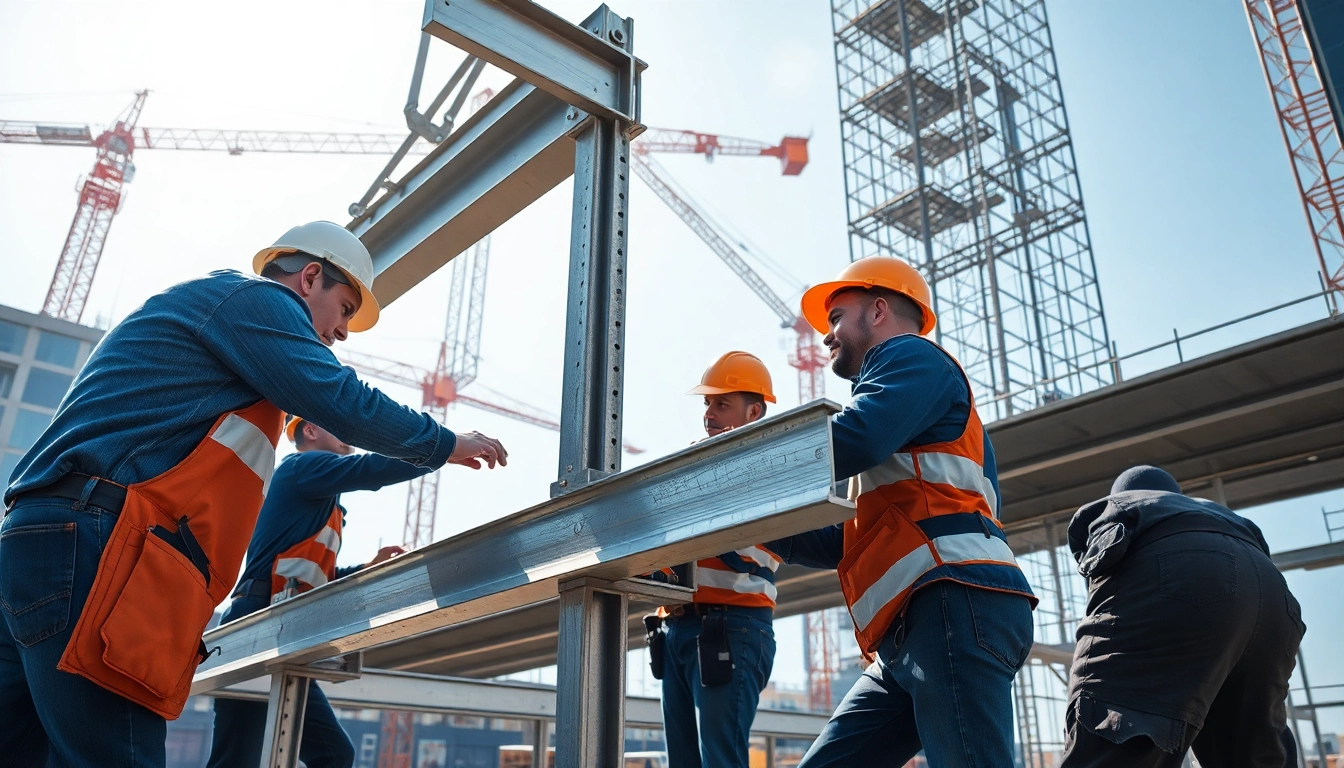
Understanding Physical Hazards in the Workplace
Physical hazards in the workplace represent one of the most significant sources of risk for employees across various industries. These hazards, defined as environmental factors that can cause harm without contact, necessitate thorough comprehension and significant preventative measures.
They can range from machinery and tools to environmental conditions, each demanding specific attention from management and staff. Recognizing these dangers not only aids in compliance with legal standards but also fosters a culture of safety and well-being among employees. Understanding how to identify and manage these threats is crucial for creating a safer workplace.
By implementing strategies to deal with physical hazards, organizations can mitigate their impacts and enhance productivity. This article will dive into the various aspects of physical hazards, their risks, identification methods, safety protocols, management strategies, and compliance standards.
What Are Physical Hazards?
Physical hazards are defined as elements or conditions in the environment that can cause injury or harm. These can encompass a broad range of factors, including:
- Mechanical Hazards: Involving machines and equipment that pose risks such as cuts, crushing, or amputation.
- Ergonomic Hazards: Related to the physical demands of work, including repetitive motions and heavy lifting that can lead to musculoskeletal disorders.
- Environmental Hazards: External conditions like noise, temperature extremes, and vibration that can adversely affect health.
- Electrical Hazards: Risks related to the use of electrical equipment, leading to shocks or fires.
These hazards can be present in any workspace, from offices to factories, and their identification is the first step toward ensuring employee safety. Understanding these categories allows organizations to tailor their safety protocols effectively.
Common Examples of Physical Hazards
Physical hazards manifest in various forms across different industries. Some common examples include:
- Slips, Trips, and Falls: Often caused by wet floors, loose carpeting, or improper storage of equipment.
- Noisy Environments: High-decibel levels can lead to hearing damage over time.
- Heavy Lifting: Incorrect lifting techniques can lead to serious back injuries.
- Unprotected Machinery: Inadequately safeguarded machines can critically injure workers.
- Temperature Extremes: Working in overly hot or cold conditions can lead to heat-related illnesses or hypothermia.
A clear understanding of these examples assists in developing robust risk management practices tailored to specific physical hazards.
The Importance of Identifying Physical Hazards
Identifying physical hazards is pivotal for several reasons:
- Employee Safety: Protecting workers from harm enhances their safety and well-being.
- Legal Compliance: Adhering to occupational safety regulations prevents legal repercussions.
- Increased Productivity: A safer environment leads to fewer injuries, thereby improving overall workplace productivity.
- Reputation Management: Organizations known for prioritizing safety attract and retain talent and clients.
The awareness of physical hazards is not merely an operational issue; it encapsulates ethical responsibilities toward employees while ensuring sustainable business practices.
Assessing Risks Associated with Physical Hazards
After identifying physical hazards, assessing the risks they present is the next crucial step. Risk assessment involves determining the severity of the hazard, its likelihood of occurrence, and the potential impact on employees.
Methods for Risk Assessment
Several methodologies can be employed to effectively assess risks associated with physical hazards, including:
- Qualitative Assessment: Involves subjective evaluation based on experience and judgment, offering insights into the most significant concerns.
- Quantitative Assessment: Utilizes statistical data to assign numerical values to risk factors, aiding in prioritizing actions based on measurable evidence.
- Hazard Identification Checklists: Structured tools that help systematically identify and evaluate hazards.
- Job Safety Analysis (JSA): Breaks down the steps of a job to identify potential hazards at each stage, facilitating targeted risk assessment.
By applying these methods, organizations can gain a comprehensive understanding of potential risks and make informed decisions about safety measures.
Key Indicators of Physical Hazards
Key indicators to look for when assessing physical hazards include:
- Injuries and Near Misses: Past incidents can highlight prevalent hazards.
- Employee Feedback: Workers often have firsthand knowledge of unsafe conditions.
- Equipment Condition: Regular inspections of tools and machinery can identify potential failures or hazards.
- Environment Observations: A thorough inspection of the working environment reveals risks like poor lighting or trip hazards.
Monitoring these indicators helps maintain ongoing vigilance against physical hazards and enhances responsiveness to emerging risks.
How to Calculate Risk Levels
Calculating risk levels typically involves evaluating two key components: the likelihood of occurrence and the severity of the outcome. Organizations can utilize a risk matrix to quantify risks effectively. The matrix allows workplaces to categorize the risk by:
- Likelihood: Ranges from unlikely to almost certain.
- Severity: Ranges from negligible to catastrophic.
By multiplying the likelihood by the severity, organizations can prioritize risks, focusing their efforts on the most critical areas that require immediate action.
Implementing Safety Protocols for Physical Hazards
After assessing risks, the next step involves implementing robust safety protocols to mitigate identified physical hazards. This not only includes specific procedures but also embraces a cultural shift towards safety in the workplace.
Essential Safety Procedures
Implementing essential safety procedures for physical hazards is fundamental. Some of these procedures include:
- Proper Equipment Maintenance: Regular checks and maintenance of machinery and tools to ensure they are functioning safely.
- Usage of Personal Protective Equipment (PPE): Ensuring that employees have access to appropriate PPE based on the identified hazards.
- Clear Safety Signage: Utilizing signage to identify hazards and inform employees of necessary precautions.
- Standard Operating Procedures (SOPs): Developing and disseminating clear protocols for safely carrying out job functions.
Through continuous adherence to these procedures, organizations foster an environment of compliance and safety.
Employee Training and Awareness
Training employees in safety protocols is not a one-time event but an ongoing commitment. Essential components of effective employee training include:
- Initial Training: Introducing new employees to safety protocols during onboarding.
- Regular Refresher Courses: Conducting periodic training sessions to keep safety knowledge current.
- Hands-On Demonstrations: Providing practical demonstrations of safety procedures and proper equipment usage.
- Encouraging Feedback: Creating an environment where employees feel comfortable reporting hazards or suggesting improvements.
The empowerment of employees through training increases their confidence and capability to manage physical hazards proactively.
Daily Safety Checks and Inspections
Conducting daily safety checks and inspections is pivotal for maintaining a safe working environment. Organizations should establish a checklist that includes:
- Inspection of hazardous materials and their storage.
- Checking PPE availability and condition.
- Assessing the work environment for new hazards.
- Reviewing equipment and machinery for any signs of malfunction or wear.
Implementing a routine inspection schedule ensures that potential hazards are addressed before they escalate, maintaining employee safety and compliance.
Managing Physical Hazards Effectively
Effectively managing physical hazards requires a proactive approach that addresses potential risks before they result in injuries or accidents.
Mitigation Strategies for Common Hazards
Key mitigation strategies include:
- Engineering Controls: Modifying equipment or workflow to reduce risks, such as implementing safety guards on machinery.
- Administrative Controls: Adjusting job tasks and schedules to limit exposure to hazards. For example, rotating workers to minimize repetitive strain injuries.
- Barriers and Guards: Installing physical barriers to separate workers from hazardous processes, reducing direct exposure to dangers.
By adopting a combination of these strategies, organizations can significantly reduce the likelihood of accidents associated with physical hazards.
Using Technology to Monitor Hazards
Advancements in technology provide new opportunities for monitoring physical hazards effectively. Implementation of technology can include:
- Wearable Technology: Devices that monitor workers’ vital signs and exposure to hazardous environments, providing real-time data on health risks.
- Remote Monitoring Systems: Utilizing IoT sensors to detect and alert personnel about hazardous conditions automatically.
- Data Analytics: Leveraging data to identify trends related to hazard occurrences, enabling predictive maintenance and safety improvements.
By integrating technology into safety strategies, organizations can enhance their hazard detection and response capabilities.
Creating an Emergency Response Plan
An effective emergency response plan ensures that all employees know what to do in the event of an incident involving physical hazards. Key components of an emergency response plan should include:
- Clear Emergency Procedures: Detailed instructions on what to do and who to contact during an emergency.
- Evacuation Routes: Clearly marked and communicated escape routes.
- First Aid Procedures: Knowledge of first aid measures to take before medical professionals arrive.
- Regular Drills: Conducting emergency drills to reinforce preparedness and response actions.
An effective emergency response plan minimizes chaos during an incident, ensuring employee safety and reducing the risk of further harm.
Evaluating Safety Standards and Compliance
Regular evaluation of safety standards and compliance is essential for sustaining a culture of workplace safety. Staying aligned with best practices and regulations creates a safer work environment.
Regulatory Requirements for Physical Hazards
Organizations must comply with various regulatory standards, such as those set forth by the Occupational Safety and Health Administration (OSHA) in the United States. Compliance demands:
- Identification of workplace hazards and implementation of appropriate safety measures.
- Regular employee training on safety protocols.
- Immediate reporting of accidents and near misses to appropriate regulatory bodies.
Understanding these regulatory requirements is crucial for maintaining safety standards and avoiding potential legal issues.
Tools for Monitoring Compliance
Tools to assist in monitoring compliance effectively include:
- Compliance Management Software: Allows organizations to track hazardous events, staff training, and ongoing compliance efforts.
- Regular Audits: Conducting internal and external audits to ensure adherence to safety protocols and regulatory requirements.
- Checklists and Reporting Systems: Implementing tools that facilitate reporting hazards and compliance checks across different departments.
Utilizing these tools ensures that safety measures are not only implemented but also continuously monitored.
Continuous Improvement in Safety Practices
Continuous improvement in safety practices can be cultivated through ongoing training, feedback loops, and adaptation to new safety technologies. Organizations should:
- Regularly review and update safety policies based on emerging regulations and new best practices.
- Encourage employee participation in safety committees to allow front-line workers to contribute their insights.
- Adopt a culture of safety where employees feel empowered to speak up about hazards or suggest improvements.
By focusing on continuous improvement, organizations can effectively manage physical hazards and foster a safer workplace environment.