
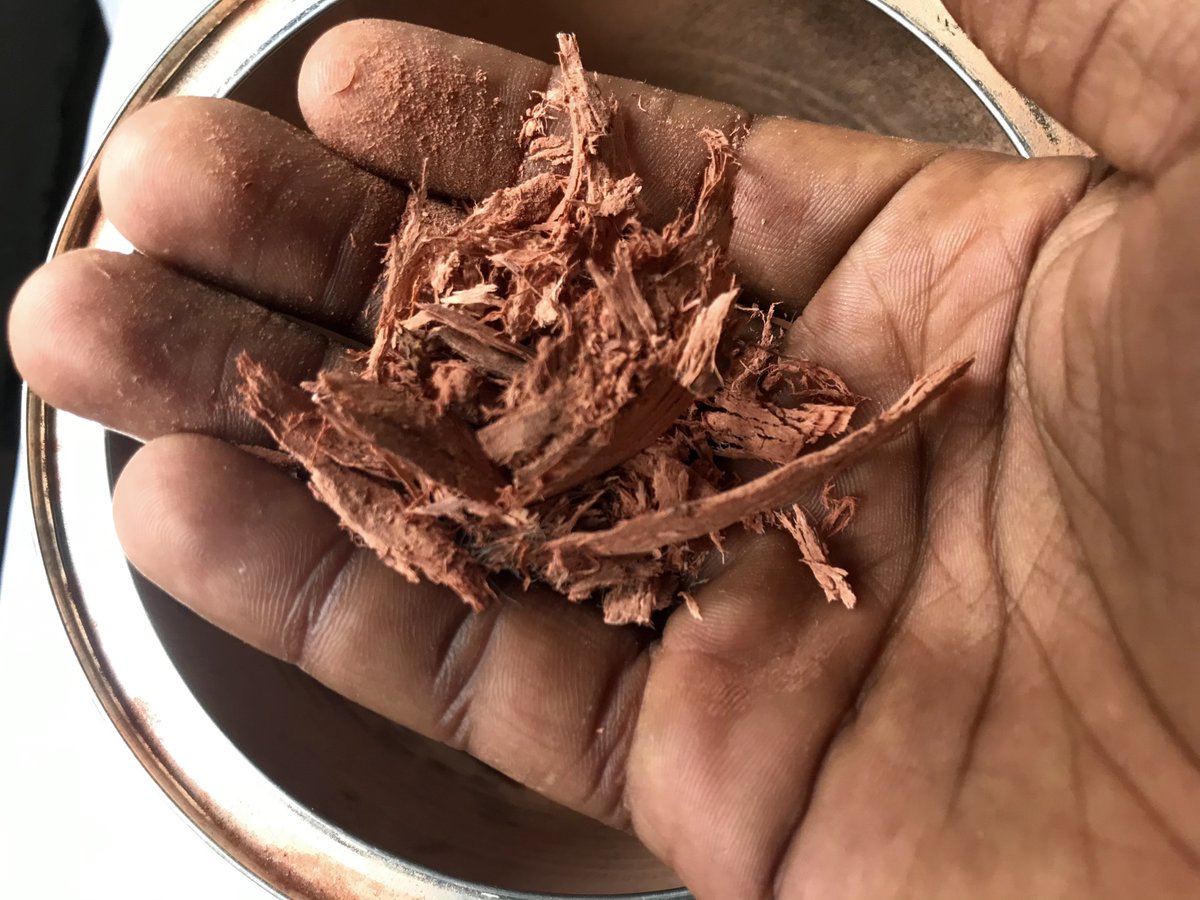
Myrobalan dye has earned its place as one of the most powerful natural ingredients in the world of plant-based color. Loved for its exceptionally high tannin content, Myrobalan dye is a trusted choice among artisans who want deeper tones, stronger colorfastness, and richer fabric preparation. At Natural Dye, creators turn to Myrobalan dye not only for its warm yellow pigment but also for its ability to enhance the performance of other natural dyes. If you work with cellulose fibers or enjoy crafting earthy, botanical shades, Myrobalan dye is an indispensable element in your dyeing toolkit.
Why Tannins Matter in Natural Dyeing
The Role of Tannins in Color Absorption
Tannins act as natural bonding agents, helping color molecules attach more effectively to fibers. Myrobalan dye is renowned for its high tannin content, making it ideal for preparing cotton, linen, bamboo, and other cellulose-based materials. Without tannins, these fibers often resist natural dyes, leading to uneven or faded results. Myrobalan dye solves this challenge by creating a strong chemical bridge between pigment and fiber.
Strengthening Fiber Structure
In addition to improving color absorption, the tannins in Myrobalan dye also fortify fabric structure. This results in better washfastness and lightfastness, allowing dyed textiles to maintain their beauty over time. This is one of the reasons Myrobalan dye has been used in traditional dyeing for centuries.
The Unique Benefits of Myrobalan Dye
A Superior Natural Mordant
For artisans committed to working without synthetic mordants, Myrobalan dye is the perfect choice. Its natural tannins serve as a built-in mordant, eliminating the need for harsh substances. This is especially beneficial for eco-conscious dyers aiming to reduce chemical use in their craft.
A Beautiful Warm Yellow Tone
While highly valued for its tannins, Myrobalan dye is also cherished for its golden-yellow pigment. It produces shades ranging from delicate lemon to deep, warm gold depending on concentration and soaking time. These tones create a lovely standalone color but also serve as an ideal base for layered dyeing.
Enhancing Layered Color Work
When used as a foundation layer, Myrobalan dye enhances the depth and complexity of other plant-based dyes. Indigo over Myrobalan dye yields soft to vibrant greens, while madder layered afterward creates warm browns and rich oranges. This versatility makes Myrobalan dye a staple in multi-step natural dyeing.
Practical Uses of Myrobalan Dye in Textile Work
Preparing Cellulose Fibers
Scouring plant-based fibers is an important first step, but pretreating them with Myrobalan dye is equally essential. The tannins make the fabric more receptive to color, especially when working with dyes that produce subtle tones. Myrobalan dye helps ensure that subsequent hues adhere evenly and deeply.
Creating the Dye Bath
To make a Myrobalan dye bath, dissolve the powder in warm water and allow the tannins to release fully. Adjust the strength of the solution based on the depth of color desired. A mild bath offers soft, pale yellows, while a rich bath produces deeper and more saturated tones. Because of its tannin strength, even small amounts of Myrobalan dye can produce impressive results.
Using Iron to Shift the Color
When combined with iron, Myrobalan dye transforms from golden yellow into earthy moss, olive, or antique gold. This iron-modified bath is prized for creating muted, botanical shades perfect for natural, rustic textiles. Fiber artists often use this combination to develop grounding tones within their palettes.
Applications for Fiber Artists and Natural Dyers
Botanical Print and Eco-Print Techniques
Botanical printers use Myrobalan dye to enhance the clarity and definition of plant impressions. The tannins in Myrobalan dye help fix leaf pigments more effectively, making prints sharper and more detailed. Its golden undertone also adds depth to the background of eco-prints.
Slow Fashion and Sustainable Craft
For designers who prioritize sustainability, Myrobalan dye offers a natural, renewable alternative to chemical dyes. Its biodegradability and plant-derived origin make it perfect for slow-fashion garments, hand-dyed home textiles, and artisan fabric production. Using Myrobalan dye supports environmentally friendly making without sacrificing performance or color brilliance.
Yarn Dyeing and Weaving Projects
Weavers and yarn dyers often use Myrobalan dye to prepare plant-based yarns, ensuring that future color layers apply consistently. Because of its tannin strength, Myrobalan dye provides better results on cotton and bamboo yarns than many other natural dye options.
Choosing the Right Myrobalan Dye
High-quality Myrobalan dye should be finely powdered, free from impurities, and rich in tannins. The better the quality, the stronger the results—both as a mordant and as a dye. This is why artisans who rely on natural color always look for premium Myrobalan dye to support their craft. Investing in reliable Myrobalan dye ensures better colorfastness, cleaner application, and more professional outcomes.
Conclusion
Myrobalan dye is one of the most valuable tools in natural textile dyeing, offering exceptional tannin content, warm yellow color, and unmatched versatility. Whether you're preparing cellulose fibers, creating earthy tones, or layering botanical pigments, Myrobalan dye provides the structure and richness needed for beautiful, long-lasting results. By incorporating Myrobalan dye into your dyeing practice, you elevate your textiles with depth, durability, and natural elegance.