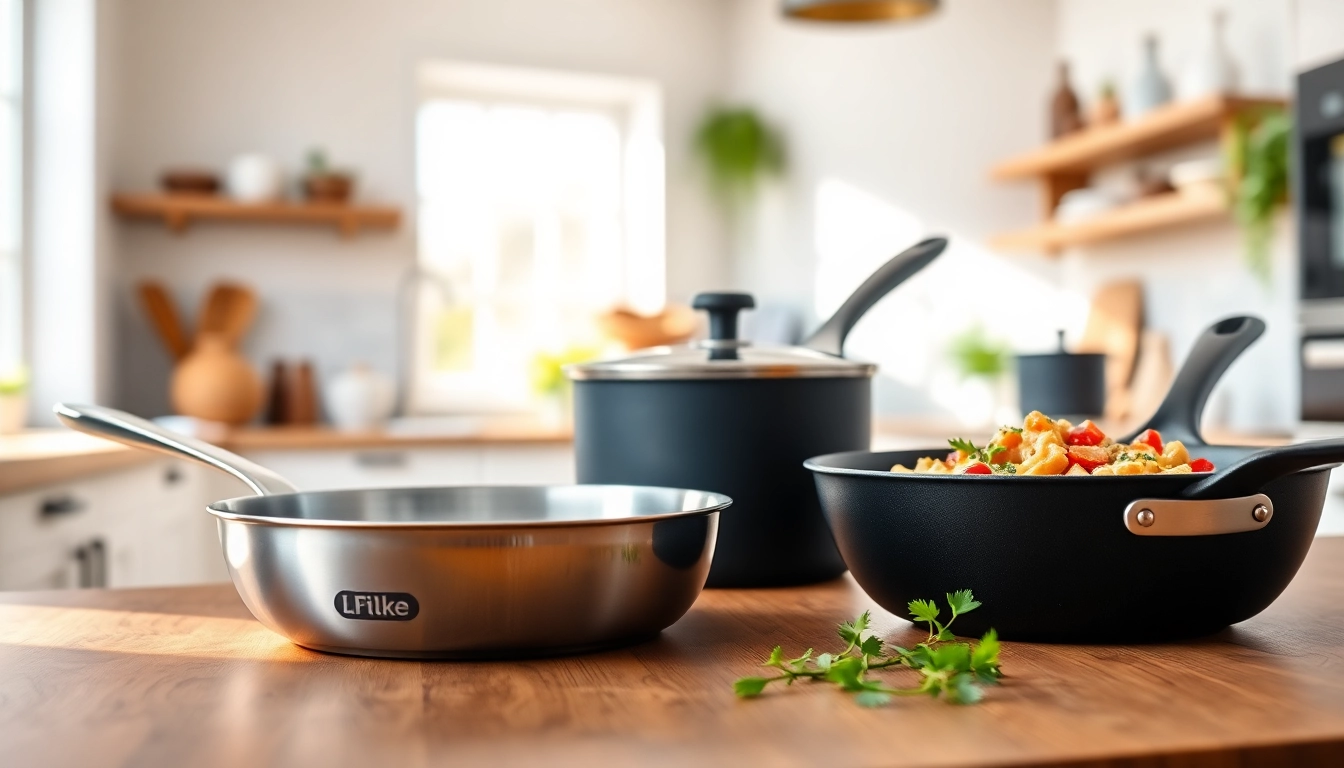
Understanding Different Types of Cookware
Cookware is an essential aspect of any kitchen, influencing how you prepare and serve your meals. From sautéing vegetables to simmering sauces, the type and quality of cookware you choose can significantly impact your cooking experience. Therefore, it's vital to grasp the various types of cookware available and their unique benefits. This comprehensive guide will explore the primary materials used in cookware, helping you make informed decisions for your culinary adventures.
The Benefits of Stainless Steel Cookware
Stainless steel cookware is known for its durability and resistance to rust, corrosion, and staining. It is a versatile choice that can handle high heat, making it suitable for both stovetop and oven use. The non-reactive nature of stainless steel means it won't impart flavors or react with acidic foods, such as tomatoes or vinegar. Additionally, high-quality stainless steel cookware often features a multi-layer construction. This enhances heat distribution and provides better cooking performance, allowing chefs to achieve consistent results. When considering your options for cookware, stainless steel is often praised for its longevity and professional-grade performance.
Exploring Non-Stick Cookware Options
Non-stick cookware has gained popularity due to its ease of use and maintenance. These surfaces typically feature a coating that prevents food from sticking, making cooking and cleaning hassle-free. Ideal for frying eggs, pancakes, and delicate dishes, non-stick cookware requires less oil, making it a healthier choice for low-fat cooking. However, it's important to note the temperature limits of non-stick pans, as overheating can damage the non-stick coating. Look for PFOA-free options for safer cooking. Additionally, silicon or wooden utensils should be used to avoid scratching the coating, ensuring the longevity of your non-stick cookware.
The Advantages of Cast Iron Cookware
Cast iron cookware is renowned for its superior heat retention and even heat distribution. This type of cookware excels at retaining heat, making it perfect for slow-cooking, braising, or baking. Users love cast iron skillets for their versatility; they can be used on the stove, in the oven, or even over an open flame. Additionally, cast iron develops a natural non-stick surface over time when seasoned correctly, allowing for healthier cooking with less oil. Although heavier than other types of cookware, the durability and excellent cooking properties make it a worthwhile investment for both novice and experienced chefs.
Key Features to Look for in Cookware
When selecting cookware, paying attention to key features can enhance your cooking experience and ensure you invest in quality products. Here are essential aspects to consider.
Material Quality and Durability
The quality of the materials used in cookware significantly affects its performance and lifespan. Higher-quality materials, such as heavy-gauge stainless steel, thick aluminum, and robust cast iron, typically last longer and cook more efficiently. Always check the product's specifications to ensure it's made from durable materials resistant to warping, scratching, and general wear and tear. Investing in quality cookware often pays off in productivity and results in the kitchen.
Heat Conductivity for Optimal Cooking
Heat conductivity is a critical feature that influences how well cookware performs. Cookware that distributes heat evenly prevents hot spots, leading to better cooking results. Materials like copper are known for excellent heat conductivity, but they require careful maintenance. Stainless steel with aluminum or copper cores is another excellent option, combining durability with superior heat distribution to enhance your cooking efficiency.
Ease of Maintenance and Cleaning
Cookware shouldn't just perform well—it should also be easy to care for. Non-stick cookware offers the convenience of simple cleaning, requiring only a gentle wash with soap and water. Stainless steel and cast iron may require more effort but can be well worth it for their cooking capabilities. Look for cookware that is dishwasher-safe if you prefer not to hand-wash. Additionally, choose options that resist staining and scratching, so they maintain their appearance and performance over time.
Best Cooking Practices for Different Cookware
Understanding how to use each type of cookware properly can maximize its effectiveness and lifespan. Whether you're frying, simmering, or baking, each material has its best practices.
Using Stainless Steel Cookware Efficiently
To achieve the best results when using stainless steel cookware, start with a proper preheating technique. Always preheat the pan on medium heat before adding oil or food. This approach ensures that the food sears properly and aids in preventing sticking. Also, consider using a bit of water or oil before cooking to gauge whether the pan is ready. As a general rule of thumb, when water droplets dance on the surface and form a ball, it's time to start cooking.
Tips for Cooking with Non-Stick Cookware
Non-stick cookware is designed to minimize sticking, but certain practices can maximize its effectiveness. Always use medium or low heat to prolong the lifespan of the non-stick surface. Avoid cooking sprays, as they can create a film that is tough to remove and can damage the coating. Opt for silicone, wood, or plastic utensils to protect the non-stick layer from scratches. Additionally, always allow cookware to cool before washing to enhance the lifespan of the non-stick coating.
Maximizing the Use of Cast Iron Cookware
To get the most out of your cast iron cookware, proper seasoning is essential. Seasoning helps create a natural non-stick surface and provides protection against rust. After cleaning your cast iron, apply a thin layer of oil and heat it on medium until the oil is absorbed. Additionally, don’t soak your cast iron; a simple brush and hot water should suffice. Finally, be sure to incorporate acidic foods (like tomatoes) gradually, since they can strip the seasoning if cooked extensively.
Common Mistakes When Choosing Cookware
Being aware of typical errors can guide you to make better decisions when buying cookware. Many people overlook key aspects that can affect their cooking experience.
Ignoring Material Compatibility with Heat Sources
Not all cookware is suitable for every type of heat source. For instance, items with plastic handles are not ideal for oven use, while certain non-stick cookware may not be compatible with induction cooktops. Always check the manufacturer information for compatibility to avoid damaging your cookware or your cooktop.
Overlooking Weight and Handling
Weight can significantly impact usability. A heavier pot or pan may retain heat better, but it can also make lifting and maneuvering difficult, especially for those with limited strength. Test pieces in-store when possible to find a balance between sturdiness and ease of handling.
Neglecting to Consider Storage Options
Storage can affect the durability of your cookware. Stacking metal cookware without protective inserts may lead to scratches. Likewise, storing items in a damp cabinet can promote rust in cast iron and steel pans. Assess your kitchen storage space and consider options that provide adequate organization and protection for your cookware.
Maintenance Tips for Longevity of Cookware
To ensure your cookware lasts for many years, proper maintenance is key. Here are strategies to enhance the life of your kitchen essentials.
Proper Cleaning Techniques for Each Material
Cleaning methods should vary based on the material. For stainless steel, using a mixture of vinegar and baking soda can effectively remove stains. Non-stick surfaces should be cleaned with gentle sponges to avoid scratching, while cast iron should be cleaned with hot water and scrubbed with a non-abrasive brush. Avoid using soap with cast iron as it can strip the seasoning.
Storage Solutions to Prevent Damage
Invest in pot protectors or lids to prevent scratches when stacking cookware. Hang pots if space allows, or use hooks to keep them accessible and safe from damage. Proper organization can help reduce stress during cooking, allowing easy access to your favorite pieces.
Periodic Checks for Wear and Tear
Make it a habit to inspect your cookware occasionally for signs of wear. Look for chips in non-stick coatings, rust in stainless steel or cast iron, or warping in pots and pans. Address any issues early to prevent further degradation and the need for replacement.
Frequently Asked Questions
What is cookware made of?
Cookware can be crafted from various materials like stainless steel, aluminum, cast iron, and non-stick coatings, each offering distinct advantages for cooking.
How often should I replace my cookware?
Replacement frequency depends on usage and care; high-quality cookware can last several years with proper maintenance, while lower-quality options may require more frequent replacement.
Is non-stick cookware safe?
Quality non-stick cookware is safe when used according to manufacturer guidelines, avoiding high heat and metal utensils that could damage the surface.
Can I use metal utensils on non-stick cookware?
It's best to steer clear of metal utensils to avoid scratching and damaging the non-stick surface, opting for silicone or wooden tools instead.
How do I clean cast iron cookware?
Clean cast iron by using hot water and a brush, avoiding soap to preserve the seasoning. Dry thoroughly and apply a light coat of oil to prevent rust.