
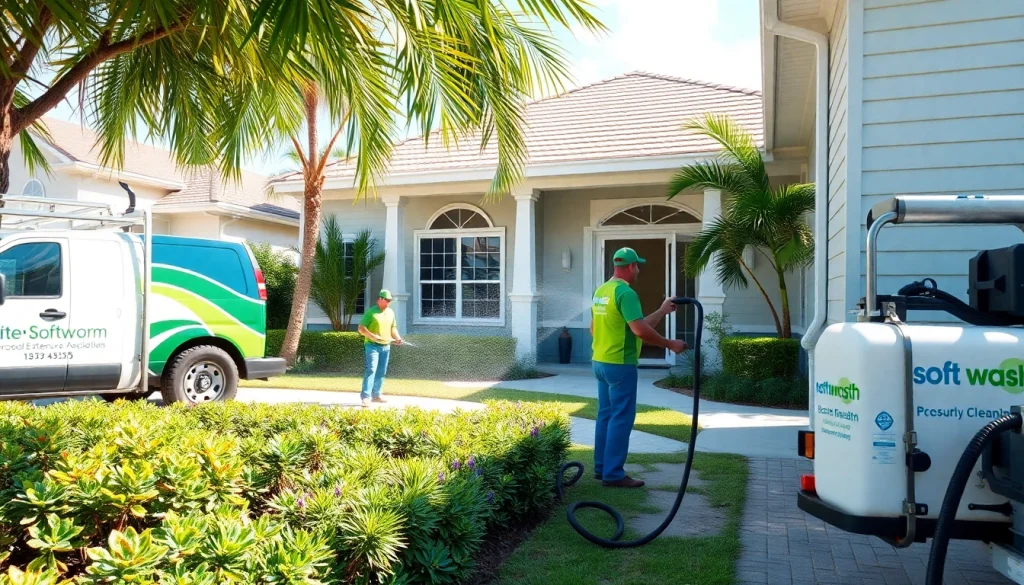
Understanding Soft Wash: The Eco-Friendly Alternative
In the realm of exterior cleaning, soft wash has emerged as a highly regarded method that prioritizes both effectiveness and safety. Unlike traditional pressure washing, which employs high-pressure water streams that can damage delicate surfaces, soft washing utilizes a low-pressure approach combined with specially formulated cleaning solutions. This technique not only effectively removes dirt, mold, and algae but does so in a way that is safe for your property and the environment.
What is Soft Wash?
Soft washing is a cleaning method that leverages low-pressure water and specially designed biodegradable cleaners to break down and remove various contaminants from exterior surfaces. This process is particularly effective on materials that can be easily damaged by high-pressure washing, such as roofs, wood, and vinyl siding. The gentle approach of soft washing helps to ensure that these surfaces are cleaned without the risk of injury or damage. Unlike conventional pressure washing, which can strip paint and wear down surfaces, soft washing allows for a more thorough cleansing process that respects the integrity of the materials involved.
Benefits of Soft Wash vs. Traditional Pressure Washing
- Preservation of Surfaces: The low-pressure approach minimizes the risk of damage, making it ideal for sensitive surfaces.
- Longer-lasting Results: By killing mold and mildew at their roots, soft washing promotes prolonged cleanliness compared to traditional pressure washing.
- Environmental Safety: The use of biodegradable cleaning agents makes soft washing an eco-friendly choice.
- Efficiency: Soft washing often requires less time and resources than high-pressure methods, resulting in cost savings.
Common Misconceptions About Soft Washing
Despite its many advantages, soft washing is often misunderstood. One common myth is that it is less effective than pressure washing. In reality, soft washing is highly effective for removing organic growth and dirt without the damaging effects associated with high pressure. Another misconception is that all cleaning agents used in soft washing are harmful to the environment; however, many companies, including Full Pressure Powerwash, employ eco-friendly solutions that are safe for plants and wildlife.
Key Soft Wash Techniques for Optimal Results
To achieve the best results from soft washing, it’s crucial to understand the techniques and processes involved. Here, we delve into choosing the right cleaning solutions, the equipment needed, and a detailed step-by-step soft wash process for various applications.
Choosing the Right Cleaning Solutions
The effectiveness of soft washing largely depends on the cleaning solutions used. These solutions are formulated to penetrate and break down molds, mildew, and dirt without harming the surfaces being cleaned. The typical components of a soft wash solution include:
- Biodegradable agents: These are effective in removing organic growth without causing ecological harm.
- Bleach options: A diluted bleach solution can be used to kill algae and mold, but it should be applied carefully to prevent damage to surrounding vegetation.
- Surfactants: These help the cleaning solutions adhere to surfaces longer, enhancing cleaning performance.
Equipment Required for Effective Soft Washing
Using the right equipment is essential for executing a successful soft wash. Key tools include:
- Low-pressure pump: This is vital for maintaining the required water pressure without risking damage to surfaces.
- Soft wash nozzle: These nozzles control the spray pattern and prevent concentrated high-pressure streams from occurring.
- Water tank: A reliable water supply is crucial for ensuring the soft wash process is uninterrupted.
- Protective gear: Safety equipment including gloves and goggles is essential for the technician’s safety while applying chemicals.
Step-by-Step Soft Wash Process
For effective results, following a systematic approach to soft washing is beneficial. Here’s an outline of a comprehensive soft wash process:
- Inspection: Assess the surfaces to identify the extent of dirt and biological growth.
- Preparation: Clear the area of any obstacles and cover plants or fixtures that might be sensitive to cleaning solutions.
- Mixing solution: Prepare the cleaning solution according to the surface type and level of staining.
- Application: Using a low-pressure system, spray the solution evenly across the surface, allowing it time to penetrate.
- Rinsing: After the appropriate dwell time, rinse the area with low-pressure water to remove residues.
- Final inspection: Check the cleaned areas for any missed spots or lingering stains and reapply as needed.
Soft Wash Applications for Different Surfaces
Soft washing can be applied to various surfaces, each requiring specific techniques and considerations for optimal results. Understanding these applications can help you determine the best approach for your property.
Soft Washing for Residential Homes
In residential settings, soft washing is an excellent choice for cleaning roofs, siding, decks, and patios. Each surface demands different attention:
- Roofs: Soft washing extends the lifespan of roofs by eliminating mold and algae while preserving shingles.
- Siding: It effectively cleans vinyl and wood siding without stripping paint or damaging materials.
- Decks: Soft washing removes dirt and grime from wood decks while maintaining the wood’s integrity.
Commercial Soft Wash Strategies
Commercial properties often require a different approach due to their larger size and higher exposure to contaminants. Implementing comprehensive soft wash strategies can enhance the appearance and longevity of various commercial surfaces, including:
- Storefronts: A clean storefront is essential for business appeal, and soft washing can remove grease and grime effectively.
- Pavements: Soft washing can extend the life of concrete and paver surfaces, reducing the need for expensive replacements.
Special Considerations for Roof Cleaning
Roof cleaning is a crucial application of soft washing that requires special care. Here are some considerations:
- Safety: Always ensure proper safety protocols are followed to prevent falls or injuries.
- Type of roofing materials: Different materials (shingles, tiles, metal) require tailored cleaning solutions and techniques.
- Environmental impact: Protect nearby plants and gardens by using eco-friendly solutions and covering sensitive areas.
Maintaining Results After a Soft Wash
Achieving a clean exterior is only part of the equation. Maintaining these results is equally important to prolong the cleanliness and health of your property. Here are some tips on how to effectively maintain your surfaces post-cleaning.
Scheduling Regular Maintenance Services
Regular maintenance soft washes are critical for keeping your property pristine. Depending on your environment, scheduling a professional soft wash every 6 to 12 months can help prevent the buildup of mold and dirt.
Signs That Your Property Needs Another Soft Wash
Knowing when to schedule another soft wash can save you time and money. Some common indicators include:
- Visible stains or growths on your siding or roof.
- Dirt or grime buildup on walkways and driveways.
- Changes in the color or appearance of your property’s exterior.
Best Practices for Homeowners
As a homeowner, adopting some best practices can enhance the longevity of your soft wash results:
- Avoiding pressure washing: Opt for soft washing solutions for all cleaning tasks to prevent surface damage.
- Maintain landscaping: Keep plants and shrubs healthy to create a buffer against potential contamination.
- Educate family members: Ensure everyone understands the importance of maintaining the integrity of your property’s exterior.
Future Trends in Soft Washing: What to Expect in 2025
As industries evolve, so do techniques and technologies in soft washing. Being aware of upcoming trends can help both consumers and professionals stay ahead in the field.
Emerging Techniques and Technologies
In 2025, we can expect advancements in equipment and techniques for soft washing. Innovations may include:
- Enhanced chemical formulations: Eco-friendly options that show improved cleaning efficacy.
- Smart equipment: Tools equipped with IoT technology to monitor and adjust pressure and chemical mixes for optimal results.
Environmental Impact of Soft Wash Materials
As eco-consciousness grows, so does the focus on the environmental impact of soft wash materials. Expect to see:
- Stricter regulations: Enhanced regulations governing the use of cleaning agents to ensure they are safe for the environment.
- Focus on biodegradable products: Continued investment in truly sustainable cleaning solutions.
How to Stay Ahead in the Soft Washing Industry
For professionals looking to excel in the soft washing market, staying informed and adaptable is key. Engaging in continuous education and keeping abreast of technological advancements will help maintain competitive advantage in the growing market.