
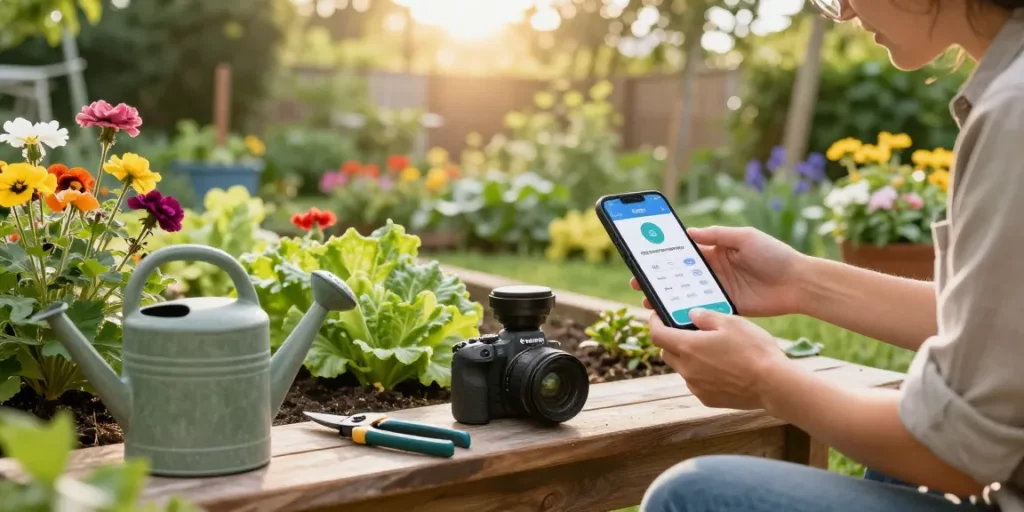
Understanding Rainpoint Irrigation Controllers
In an age where water conservation is crucial for sustainable living, rainpoint Irrigation Controllers stand out as an innovative solution for home gardeners and landscaping enthusiasts alike. These devices not only help manage water usage efficiently but also ensure that your plants receive the optimal hydration they need to thrive. By integrating smart technology into gardening practices, Rainpoint delivers an approach that maximizes growth while minimizing waste.
What are Rainpoint Irrigation Controllers?
Rainpoint Irrigation Controllers are advanced watering systems designed to automate and improve the irrigation process. They operate based on set schedules or real-time data from soil moisture sensors and weather conditions, allowing users to customize watering according to specific plant needs. The primary goal is to provide the right amount of water at the right time, which enhances plant health and reduces water consumption.
Key Features and Benefits of Rainpoint Irrigation Controllers
- Smart Scheduling: Automatically adjusts watering schedules based on rainfall and temperature data, ensuring plants get adequate hydration without waste.
- Soil Moisture Sensors: These sensors gauge the moisture content in the soil, allowing for precise irrigation control.
- User-Friendly App: Allows users to customize settings, monitor water usage, and receive notifications straight to their smartphones.
- WiFi Connectivity: Enables remote management and control of watering systems from anywhere, providing flexibility and convenience.
- Durability: Built to withstand outdoor conditions, ensuring long-lasting performance.
How Rainpoint Enhances Water Efficiency
Water efficiency is becoming increasingly vital as global water scarcity issues arise. Rainpoint Irrigation Controllers address this by using advanced algorithms to determine the precise amount of water needed for different plants. This precision minimizes overwatering, which can lead to root rot and other issues, while under-watering is also systematically avoided. By focusing on smart irrigation practices, Rainpoint helps users save both water and money while promoting healthier gardens.
Setting Up Your Rainpoint Irrigation System
Installation Process: A Step-by-Step Guide
Setting up your Rainpoint Irrigation system is straightforward and can typically be completed within a few hours. Here’s a general guide to get your system up and running:
- Choose Your Location: Identify where to install your controller and ensure it’s close to a water source.
- Install the Controller: Mount the controller securely, following the manufacturer’s instructions for best results.
- Connect the Hoses: Attach hoses from the controller to your irrigation system or directly to the plants.
- Install Soil Sensors: Position soil sensors in various areas of your garden to monitor moisture levels effectively.
- Power Up: Plug in your controller and check that all components are working correctly.
Connecting Your System to WiFi and the App
After installation, connecting your Rainpoint system to WiFi is essential for accessing its full range of features. To connect:
- Download the Rainpoint app on your smartphone.
- Follow the on-screen prompts to connect your controller to your home WiFi network.
- Ensure the app recognizes the controller, allowing for remote management.
Configuring Schedules for Optimal Watering
Once connected, you can configure your irrigation schedules. Use the app to set specific watering times, durations, and intervals based on the types of plants and seasonal changes. Regular adjustments based on weather forecasts will optimize water usage further and ensure your plants remain healthy.
Best Practices for Efficient Water Usage
Understanding Soil Moisture Levels
To maximize the effectiveness of your Rainpoint Irrigation Controllers, understanding soil moisture is key. Regularly monitor moisture sensor readings to determine when irrigation is necessary. Avoid routine watering schedules and focus on the data provided by your sensors; this leads to healthier plants and reduced water waste.
Seasonal Considerations for Watering Needs
Watering needs vary significantly across seasons. During spring and summer, as plants grow and temperatures rise, they may require more frequent watering. Conversely, in fall and winter, many plants enter a dormant phase and require less moisture. Adjust your Rainpoint schedules accordingly to match these seasonal changes.
Adjusting for Weather Variability
Incorporating weather forecasts into your watering schedule is another effective strategy. Rainpoint controllers can automatically adjust based on recent rainfall—if it rains, your system can delay watering, preventing over-watering. This function not only conserves water but also saves you time and effort.
Real-Life Success Stories with Rainpoint
Transforming Home Gardens: Case Studies
Many users have transformed their gardens thanks to Rainpoint technology. For example, a homeowner with a 2,200 square-meter property utilized the Rainpoint 2 Zone Wifi Water Timer with Hub to effectively manage over 27 different trees and a variety of flower beds. By monitoring water usage and creating customized schedules, the homeowner reported significant plant growth and reduced water bills.
Customer Testimonials: Saving Time and Water
Customers frequently share their positive experiences with Rainpoint products, noting how they have eased the burden of yard maintenance. Testimonials highlight features such as user-friendly setup, precise water management, and the reliability of the app. Users feel a sense of control over their watering schedules, enhancing their gardening experiences.
Comparative Analysis: Rainpoint vs. Other Brands
When comparing Rainpoint Irrigation Controllers to other brands, key factors such as ease of use, reliability, and customer support stand out. Many users appreciate the comprehensive features of Rainpoint devices, particularly the dual-functionality of the app for monitoring and scheduling, which is often more advanced than competitors. Customer satisfaction ratings reinforce Rainpoint’s reputation as a leader in smart irrigation technology.
Future Innovations and Trends in Irrigation Technology
Upcoming Features for Rainpoint Controllers in 2026
The future of irrigation technology is promising. Rainpoint is continually innovating its product offerings to leverage new technologies. Upcoming features may include enhanced soil moisture sensors that offer real-time alerts, improved AI capabilities for predictive watering schedules based on weather patterns, and advanced app functionalities that allow for greater customization.
The Role of Artificial Intelligence in Irrigation
Artificial intelligence plays a significant role in the future of irrigation technology. By analyzing vast data sets, AI can offer precise recommendations for watering needs based on current environmental conditions. Rainpoint is at the forefront of this trend, aiming to integrate AI into its controllers to optimize watering even further.
Environmental Impact and Sustainability Goals
As the demand for sustainable practices increases, Rainpoint remains committed to reducing the environmental impact of gardening. The implementation of water-saving technologies not only supports individual gardens but also contributes to broader environmental sustainability goals. By promoting responsible water usage, Rainpoint aligns with green initiatives and encourages eco-conscious gardening.
What are the Advantages of Smart Irrigation Controllers?
Smart irrigation controllers, like those offered by Rainpoint, provide numerous advantages, including:
- Enhanced water conservation through precise watering schedules.
- User-friendly interfaces that enable remote management from smartphones.
- Integration with weather data for automatic adjustments based on rainfall.
- Data analytics that inform users about water usage patterns.
How Does Rainpoint Provide Real-Time Insights?
Rainpoint controllers utilize real-time data from soil sensors and weather forecasts to provide insights. Users can monitor their irrigation systems through the app, receiving notifications when watering occurs or if adjustments are necessary due to unexpected rain or temperature shifts.