
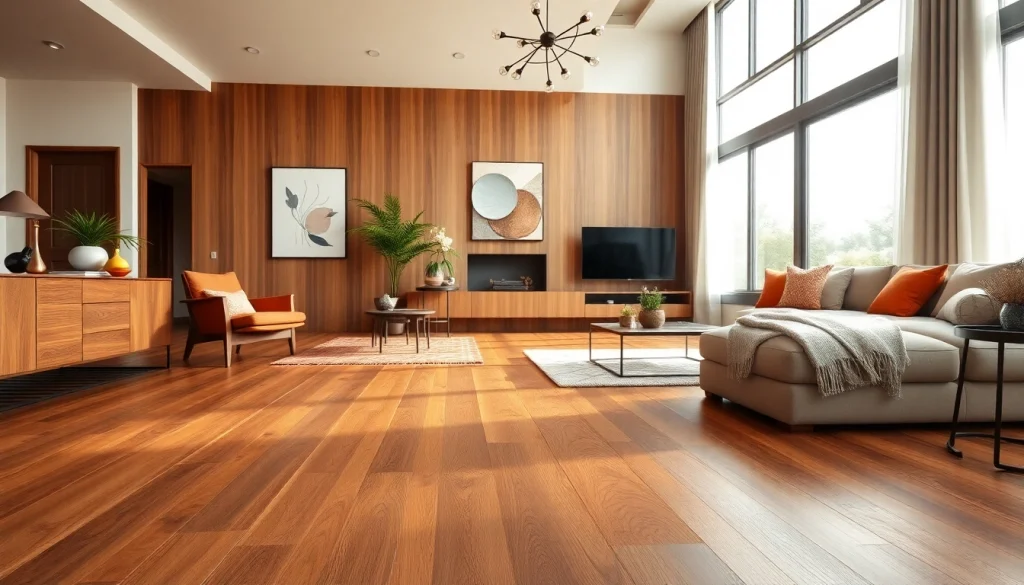
Understanding LVP Flooring
What is LVP Flooring?
Luxury Vinyl Plank (LVP) flooring has emerged as a popular choice among homeowners and interior designers alike. This versatile flooring option mimics the appearance of natural materials like hardwood or stone, providing an attractive finish without sacrificing durability. Composed of several layers, LVP flooring typically features a waterproof core, making it particularly suitable for areas prone to moisture, such as kitchens and bathrooms. Its design versatility and resilience—combined with an aesthetically appealing look—place it in a prime position in the realm of home improvement choices.
Benefits of Choosing LVP Flooring
Choosing lvp flooring brings numerous advantages. One of the primary benefits is its incredible durability; LVP is built to withstand heavy foot traffic, making it a valuable investment for families and pets. Beyond durability, LVP offers impressive resistance to scratches and stains, allowing it to maintain its appearance over time. Furthermore, the ease of installation—many options feature a click-lock system—can save homeowners both time and money, as well as the ability to install it over existing floors. Additionally, LVP is available in a vast array of designs, textures, and colors, providing homeowners with endless options to match their interior decor.
Common Misconceptions about LVP Flooring
Despite its advantages, some misconceptions surround LVP flooring. A common myth is that LVP looks artificial and cannot replicate the warmth of natural wood. However, advancements in printing technology have allowed manufacturers to create highly realistic wood and stone visuals. Another misconception is that LVP is not environmentally friendly. In reality, many brands offer eco-friendly options with recyclable materials, and some even have certifications that underline their commitment to sustainability. Understanding these misconceptions can help homeowners make informed choices that suit their needs.
Choosing the Right Style of LVP Flooring
Popular Design Trends in LVP Flooring
As design trends evolve, so too does the versatility of lvp flooring. Currently, the trend is leaning towards wide planks that mimic rustic hardwood, which can add a sense of luxury and spaciousness to any room. Additionally, textured finishes that replicate the feel of real wood or stone have become increasingly popular. Patterns such as herringbone and chevron are also being utilized for a stylish twist, allowing homeowners to express their personal style while incorporating durable flooring options.
Color and Texture Selection for LVP Flooring
When selecting LVP flooring, color plays a critical role in setting the room’s tone. Light colors, such as beige and soft grays, can make a space feel airy and open. In contrast, darker hues provide a dramatic impact, emphasizing a more contemporary aesthetic. Textures also contribute significantly to the overall look; matte finishes mimic natural wood, while glossy options reflect light, enhancing the visibility of the flooring’s unique design. Homeowners should consider their existing decor, natural light, and the desired ambiance when choosing the ideal color and texture.
Matching LVP Flooring with Your Home Decor
To achieve a harmonious interior, it’s essential to ensure that the chosen lvp flooring complements your home decor. Consider the room’s purpose when selecting the style; for example, a casual beach-inspired living room may be best suited to lighter, coastal tones, whereas a formal dining area might call for deeper, richer colors. Additionally, textures can help create depth and interest, aligning with existing furnishings while providing comfort underfoot. Remember that consistency across spaces can also foster a unified aesthetic in your home.
Installation of LVP Flooring
DIY Installation vs. Professional Help
Many homeowners wonder whether to undertake a DIY installation or hire professionals for their lvp flooring. DIY installations can be cost-effective and fulfilling for those with the necessary skills, particularly since many LVP products feature easy-to-use click-lock mechanisms, eliminating the need for glue or staples. However, hiring professionals can ensure a flawless finish and save time, particularly for large or complex spaces. It ultimately depends on comfort level, budget, and urgency of the project.
Tools Needed for Installing LVP Flooring
For those opting for a do-it-yourself approach, equipping yourself with the right tools is key to a successful installation. Essential tools include a measuring tape, a utility knife, a straightedge, a rubber mallet, spacers, and a roller for securing the planks. Additionally, protective gear like knee pads and safety glasses can help you work comfortably and safely. Having these tools ready will streamline the installation process and help ensure that every plank is expertly placed.
Step-by-Step Installation Process
Installing lvp flooring can be simple if you follow these steps:
- Preparation: Ensure the subfloor is clean, dry, and level. Remove any existing flooring if necessary.
- Acclimation: Allow the LVP planks to acclimate to the room’s temperature and humidity for at least 48 hours.
- Layout: Plan the plank layout to minimize waste and achieve a balanced look in the space.
- Installation: Starting in one corner, insert the first plank at an angle to lock it into place. Continue laying planks row-by-row, using spacers to maintain expansion gaps along the walls.
- Finishing touches: Once installed, remove spacers and install trim or molding for a complete look.
Taking your time during each step and double-checking measurements will yield a professional-looking finish.
Maintenance and Care for LVP Flooring
Cleaning Tips for LVP Flooring
Proper maintenance of lvp flooring is crucial if you wish for it to look fresh and clean over time. Regular sweeping or vacuuming can prevent dirt and debris from scratching the surface. For deeper cleaning, use a damp mop with a suitable vinyl floor cleaner to remove stains without damaging the flooring. Regularly inspect high-traffic areas for wear and consider applying a polish to restore gloss and protect the planks.
Protecting Your LVP Flooring from Damage
To maintain the integrity of your lvp flooring, protect it from damage by using felt pads underneath heavy furniture to prevent scratches. Avoid high heels or any spiked shoes on the flooring, as these can penetrate and create indentations. Additionally, placing area rugs in high-traffic zones can provide an extra layer of protection while enhancing the overall aesthetic of space.
Long-Term Care for Lasting Quality
Long-term care involves mindful habits and occasional professional cleaning. Routine maintenance, such as periodic cleaning and inspections, ensures any potential issues are identified early. Should wear and tear occur, consider refinishing or replacing individual planks instead of the entire floor. Maintaining a consistent humidity level in your home can also help preserve the structure of your LVP flooring. By routinely caring for your flooring, you can preserve its beauty and functionality for years.
Frequently Asked Questions about LVP Flooring
Is LVP Flooring suitable for kitchens?
Yes, LVP flooring is waterproof and offers durability, making it an excellent choice for kitchens. Its resistance to moisture and stains helps maintain its appearance in a high-traffic area.
Can I install LVP Flooring over my existing floors?
Yes, LVP can typically be installed over existing flooring surfaces, but it’s important to ensure that they are clean, dry, and level. Removing old carpets is often recommended to achieve the best results.
How do I remove stains from LVP Flooring?
For stain removal, use a soft cloth with a gentle cleaner designed for vinyl flooring. Avoid harsh chemicals or abrasive tools that could damage the surface. Always test cleaning solutions in an inconspicuous area first.
What is the lifespan of LVP Flooring?
The lifespan of LVP flooring typically ranges from 10 to 30 years, depending on the quality and level of foot traffic. Proper care and maintenance can extend its life significantly.
Is LVP Flooring environmentally friendly?
Many LVP flooring options are made from recycled materials and can also be recyclable themselves. However, it’s essential to check for eco-certifications to ensure you’re making an environmentally conscious choice.