
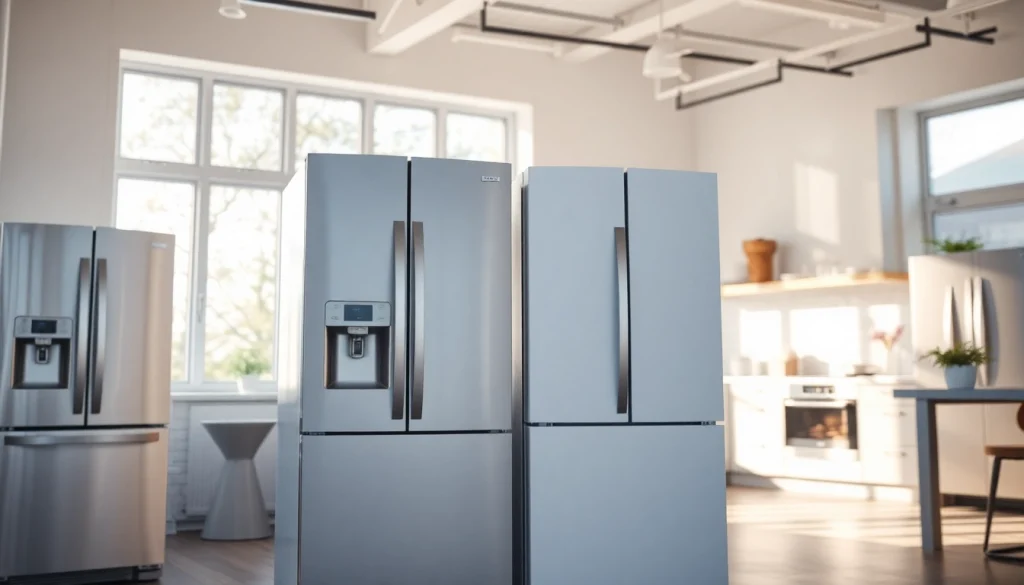
Understanding Refrigerator Sales Trends
Market Analysis and Consumer Preferences
The landscape of refrigerator sales is continuously evolving, largely influenced by factors such as consumer preferences, technological advancements, and environmental considerations. Recent trends indicate that consumers are more inclined towards energy-efficient models, with growing awareness regarding energy consumption and utilities. As a result, brands prioritizing sustainable practices see a surge in their refrigerator sales.
Moreover, styles and designs that blend functionality with modern aesthetics have gained traction. Research shows that Millennials are increasingly dictating market trends, favoring refrigerators that not only cater to their convenience but also resonate with their personal style. Brands responding to these shifts are witnessing favorable market performance, as they adapt designs to meet the contemporary consumer’s tastes.
Seasonal Influences on Sales
Seasonality plays a crucial role in refrigerator sales. Traditionally, summer months experience a spike due to increased travel and outdoor activities. Consumers often upgrade or purchase refrigerators in anticipation of barbecues or family gatherings. However, the holiday season also brings notable demand, as many households prepare to host gatherings and require larger refrigeration spaces. Understanding these seasonal patterns enables retailers to optimize marketing strategies, ensuring effective inventory management and promotional offers align with consumer purchasing behavior.
Brands that successfully leverage seasonal promotions witness not only increased sales but also enhanced brand loyalty. Tailored marketing campaigns during peak periods can result in higher conversion rates, making it essential for businesses to analyze and predict consumer behavior throughout the year.
Impact of Energy Efficiency on Buying Decisions
Energy efficiency has become a pivotal consideration in buying decisions for refrigerators. With rising energy costs and an increasing focus on sustainability, consumers are leaning towards models that reduce long-term operating expenses. Energy Star ratings have become a standard benchmark, as they reflect efficient energy use while helping consumers save money.
Retailers are capitalizing on this trend by promoting energy-efficient models through strategic advertising and showcasing their benefits in-store. By highlighting the potential savings consumers can achieve and the reduced carbon footprint, brands not only drive immediate sales but also position themselves as environmentally conscious choices in the market.
Varieties of Refrigerators: What to Choose
Different Types of Refrigerators Explained
The variety of refrigerator types available today can overwhelm consumers. However, understanding the distinctions among them is crucial for making an informed purchase. The following are some key types:
- Top Freezer Refrigerators: These traditional units offer flexibility and ample storage, particularly suited for families.
- Bottom Freezer Refrigerators: With the freezer compartment located at the bottom, these models provide easier access to fresh food sections.
- Side-by-Side Refrigerators: These are favored for their convenience, allowing easy access to both refrigeration and freezing sections.
- French Door Refrigerators: Combining elegance with functionality, French doors offer wide shelves ideal for large items and customizable configurations.
- Compact Refrigerators: Best suited for small spaces like dorms or offices, compact models are a practical option for limited storage needs.
Size and Capacity Considerations
When purchasing a refrigerator, size and capacity are significant factors. Consumers must evaluate their needs based on family size or usage requirements. A common guideline suggests allocating at least four to six cubic feet of refrigerator space per person. Additionally, households that frequently entertain guests or those with larger families may benefit from models with a higher capacity.
However, space constraints in homes cannot be overlooked. Measuring the designated area for the refrigerator is essential, ensuring that it aligns not just with the upper size limit, but also provides functional ease of access and airflow for efficient operation.
Style Trends in Refrigerator Designs
Contemporary refrigerator designs have transcended functional utility to embrace aesthetic appeal. Styles such as stainless steel, matte finishes, and vibrant colors are trending, inviting home personalization. Additionally, built-in refrigerators that blend seamlessly with cabinetry offer a sleek look popular among modern homeowners.
Customization features like adjustable shelves and specialized compartments reflect an evolving consumer desire for personalized functionality. Highlighting these design features in marketing can resonate well with consumers seeking both style and substance in their appliance purchases.
Effective Strategies for Boosting Refrigerator Sales
Marketing Techniques Tailored to Consumers
To enhance refrigerator sales, targeting marketing efforts effectively is crucial. Understanding customer demographics and preferences enables brands to tailor their messaging, ensuring it resonates with their audience. For example, families may be drawn to promotions highlighting storage capacity, while younger consumers might prioritize the latest technology and energy efficiency.
Leveraging consumer data analytics offers invaluable insights, allowing for personalized marketing campaigns that speak directly to consumers’ needs. Engaging storytelling that reflects a lifestyle of convenience, sustainability, or modern design can capture attention and drive sales.
Leveraging Social Media for Sales Growth
Social media platforms offer a powerful avenue for driving refrigerator sales by connecting directly with consumers. Utilizing visually engaging content, such as videos or infographics, can showcase product features, user testimonials, and real-life applications. Creating shareable content fosters brand engagement and increases visibility, generating organic growth and consumer interest.
Engaging with followers through polls, contests, or giveaways can foster community and incentivize purchases. Social media advertising, targeted based on user interests and behaviors, can also significantly boost sales figures, making it a vital element in a modern marketing strategy.
Creating Attractive In-Store Displays
In-store experiences play a crucial role in consumer purchasing decisions. Eye-catching displays that highlight the features and benefits of specific refrigerator models can guide consumers to their choices. Strategic placement of top-selling or new arrival models ensures visibility, encouraging impulse purchases.
Incorporating multimedia elements or interactive platforms allows shoppers to explore product features, making the shopping experience engaging. Store associates trained to educate consumers about energy efficiency, modern technology, and style options can significantly influence purchasing decisions.
Challenges in the Refrigerator Sales Market
Supply Chain Issues and Solutions
The refrigerator sales market faces notable challenges related to supply chain management. Disruptions can arise from economic shifts, natural disasters, or global events that impact production and distribution channels. Addressing these challenges requires businesses to build resilient supply networks and diversify sourcing strategies.
Implementing technology, such as real-time tracking and inventory management systems, enhances responsiveness and reduces lead times. Additionally, investing in local supply chains can mitigate risks associated with global dependencies, ensuring that consumer demand is met consistently.
Overcoming Competition in the Market
The refrigerator market is saturated, with multiple brands vying for consumer attention. Establishing a unique brand identity through quality and innovative features is vital to stand out. Customer loyalty programs, complemented by exceptional service, can cultivate repeat purchases and brand advocates.
Offering exclusive features or bundles can provide added value, distinguishing products and maintaining competitive pricing without compromising quality. Emphasizing customer experiences in advertising can also enhance relatability and bolster sales amidst competition.
Addressing Consumer Concerns on Price
Price sensitivity among consumers significantly impacts refrigerator sales. Businesses must communicate value transparently, demonstrating how investments in energy-efficient or technologically advanced models can yield long-term savings. Offering financing options or promotions can also alleviate budgetary concerns.
Providing comparisons of operational costs and emphasizing warranty benefits reassures consumers about their purchases, fostering confidence in their buying decisions. Educating consumers about the lifespan and reliability of high-quality models solidifies their willingness to spend on premium products.
Future Outlook for Refrigerator Sales
Technological Advancements Shaping Sales
Technological innovations are rapidly changing the landscape of refrigerator sales. Smart refrigerators featuring connectivity, temperature control, and inventory management systems are trending, appealing to tech-savvy consumers. Features such as touch screens, internal cameras, and integration with home automation systems enhance user experience and convenience.
As technology continues to advance, consumers expect appliances to align with their lifestyles. Brands embracing IoT integrations and artificial intelligence can anticipate and meet these evolving demands, positioning themselves favorably in the market.
Sustainability and Customer Expectations
Consumer expectations surrounding sustainability are shaping future refrigerator sales. Environmental considerations drive demand for eco-friendly appliances, emphasizing recyclable materials and low-energy consumption. Companies prioritizing sustainable practices in design, production, and packaging will resonate with an increasingly conscientious audience.
Brands that transparently communicate their sustainability efforts are more likely to cultivate consumer trust and loyalty, translating to improved sales. Highlighting certifications and eco-labels can further enhance appeal to eco-aware demographics.
Market Predictions for the Next Decade
Looking ahead, the refrigerator sales market is poised for notable growth fueled by innovation and responsive consumer behavior. The integration of artificial intelligence and machine learning in appliance design will cater to personalization preferences while enhancing energy efficiency.
Predictions indicate an increase in the popularity of multifunctional appliances, which combine refrigeration with cooking or storage technologies, creating a more integrated kitchen experience. Brands embracing these trends while maintaining affordability and quality are likely to thrive in a competitive landscape.
FAQs
1. What features should I look for in a refrigerator?
Consider energy efficiency ratings, size, style, storage flexibility, and smart features like temperature control or inventory management to match your needs.
2. How do I maintain my refrigerator’s efficiency?
Regularly clean coils, check door seals, and ensure optimal temperature settings (37°F for refrigerators, 0°F for freezers) to maintain efficiency.
3. Are smart refrigerators worth the investment?
Smart refrigerators offer convenience and energy efficiency through advanced features, potentially saving you money in the long run on energy bills.
4. What is the average lifespan of a refrigerator?
Typically, a refrigerator lasts between 10 to 20 years, depending on maintenance and quality. Proper care can extend its lifespan significantly.
5. How can I choose the right size refrigerator for my home?
Consider your household size, cooking habits, and available space. A general rule is 4 to 6 cubic feet per person, plus room for extra storage.