
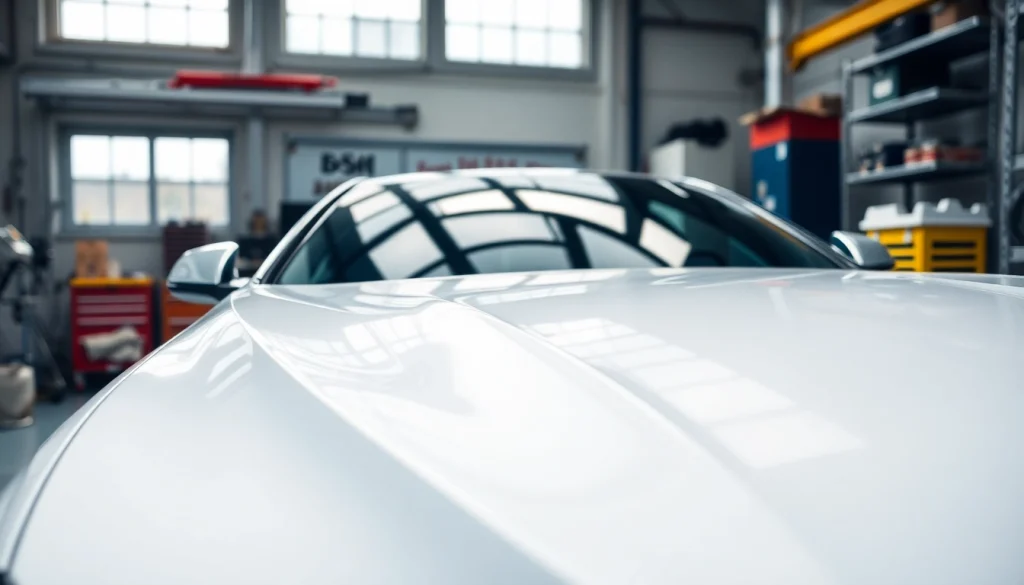
Understanding Paint Protection Film
What is Paint Protection Film?
Paint Protection Film (PPF) is a transparent, durable, and flexible polymer material designed to protect a vehicle’s paint from various environmental hazards. This film acts as a barrier, shielding the car’s surface from scratches, stains, and rock chips. Car enthusiasts and owners who wish to maintain the aesthetic appeal of their vehicles often turn to PPF as a preventative measure against wear and tear.
Benefits of Paint Protection Film
Choosing to install paint protection film offers numerous advantages, including:
- Durability: PPF is engineered to withstand impacts from small debris and resist yellowing or fading from UV exposure.
- Stain Resistance: The film provides a shield against contaminants like bird droppings, tree sap, and acid rain that can degrade paint.
- Self-Healing Properties: Some modern films have advanced self-healing capabilities where minor scratches disappear with heat.
- Preserves Resale Value: Protecting the original paint can significantly enhance a vehicle’s resale or trade-in value.
- Cost-Effective Maintenance: Regular maintenance is less intensive, making PPF a financially viable option in the long run.
Types of Paint Protection Films Available
When considering PPF, it’s essential to understand the types available in the market:
- Matte Finish Films: Ideal for maintaining matte finishes and preventing glossiness while protecting the surface.
- Gloss Finish Films: These films enhance the shine of the vehicle’s paint while providing robust protection.
- Pre-Cut Kits: For DIY enthusiasts, these kits save time by offering precut patterns tailored to specific models.
- Full Car Wraps: This option offers coverage for the entire vehicle, ensuring all major surfaces are protected.
How to Choose the Right Paint Protection Film Near Me
Factors to Consider for Your Vehicle
When searching for paint protection film near me, consider several factors that impact your choice:
- Vehicle Type: The choice may vary depending on whether you own a luxury car, a daily driver, or an off-road vehicle.
- Environment: Consider the climate and typical road conditions—urban settings may necessitate different choices than rural areas.
- Desired Protection Level: The extent of protection required can influence the type of film you choose, from basic to more comprehensive options.
Finding Quality Service Providers
Finding the right installation service is crucial. Start by researching shops that specialize in PPF installations. Key aspects to evaluate include:
- Experience and Certification: Prefer providers with a proven track record and certifications from reputable film manufacturers.
- Customer Reviews: Online reviews can give you insights into the quality of service and satisfaction of previous clients.
- Portfolio: Look for examples of their past work to gauge their expertise and artistry.
Comparing Film Options Based on User Needs
Every vehicle owner has different needs based on their tastes and lifestyle. To find the right film:
- Consider the Finish: Choose a finish (matte or gloss) that complements your vehicle’s look.
- Evaluate Longevity: Different films may offer varying durability, so inquire about warranty coverage.
- Self-Healing vs. Standard: Self-healing films usually carry a premium cost but can save on maintenance over time.
Installation Process of Paint Protection Film
Pre-Installation Preparation Steps
Preparing for PPF installation is key to achieving a flawless finish:
- Thorough Cleaning: The vehicle’s surface must be meticulously cleaned to remove dirt, wax, and residues.
- Paint Inspection: Inspect the paint for imperfections or damage that should be corrected prior to installation.
- Optimal Conditions: Ensure the installation is carried out in a temperature-controlled environment to enhance adhesion.
Step-by-Step Film Installation Guide
The installation process typically consists of the following steps:
- Measure and Cut: Accurately measure the surface areas to create templates for the film.
- Applying the Film: Using a special application solution, carefully lay the film on the vehicle’s surface.
- Heating and Smoothing: Use a heat source and a squeegee to eliminate air bubbles and ensure proper adhesion.
- Trimming Edges: Once adhered, trim the excess film at the edges for a neat finish.
Post-Installation Care and Maintenance
To ensure the longevity of PPF, follow these maintenance tips:
- Avoid Washes: Stay away from automatic car washes for at least two weeks post-installation to allow adhesive to set.
- Use Gentle Products: When washing your vehicle, use mild soaps and soft cloths to prevent damaging the film.
- Regular Inspections: Periodically check the film for wear and tear and address any issues promptly.
Cost Considerations for Paint Protection Film
Average Pricing for Paint Protection Film
The cost of paint protection film can vary widely depending on various factors, but here’s a snapshot of potential pricing:
- Partial Coverage: Ranges from $500 to $1,500, typically covering high-impact areas like the front bumper and hood.
- Full Coverage: This can range between $2,000 and $7,000, depending on the vehicle size and film quality.
- DIY Kits: These generally cost between $200 and $700 but require the buyer to have installation skills.
Factors Influencing Price Variations
Several factors can contribute to pricing differences for PPF:
- Film Quality: Higher-quality films with advanced features may cost more upfront but can save money over time.
- Vehicle Size: Larger vehicles require more material, directly influencing the final cost.
- Installation Complexity: Unique vehicle shapes may require more time and effort, increasing labor costs.
Cost vs. Value Analysis
When evaluating the cost of paint protection film, consider the long-term benefits versus the initial investment:
- Preservation: Protecting your vehicle’s paint may prevent costly repairs or repainting in the future.
- Resale Value: A well-maintained vehicle with its original paint protected can command a better resale price.
- Peace of Mind: Knowing your vehicle is shielded from damages offers significant psychological benefits, especially for enthusiasts.
Frequently Asked Questions
How long does paint protection film last?
Paint protection film typically lasts between 5 to 10 years, depending on the quality of the film and maintenance.
Can paint protection film be removed?
Yes, paint protection film can be removed without damaging the underlying paint if done correctly, often by a professional.
Is paint protection film worth the investment?
Yes, PPF can be a cost-effective option when considering the long-term preservation of your vehicle’s paint and resale value.
Can I wash my car after applying the film?
Avoid washing your car for at least two weeks after installation to ensure proper adhesion. Afterward, gentle washes are fine.
Does paint protection film yellow over time?
High-quality films resist yellowing due to UV exposure, but lower-quality films may degrade over time, so choosing wisely is essential.